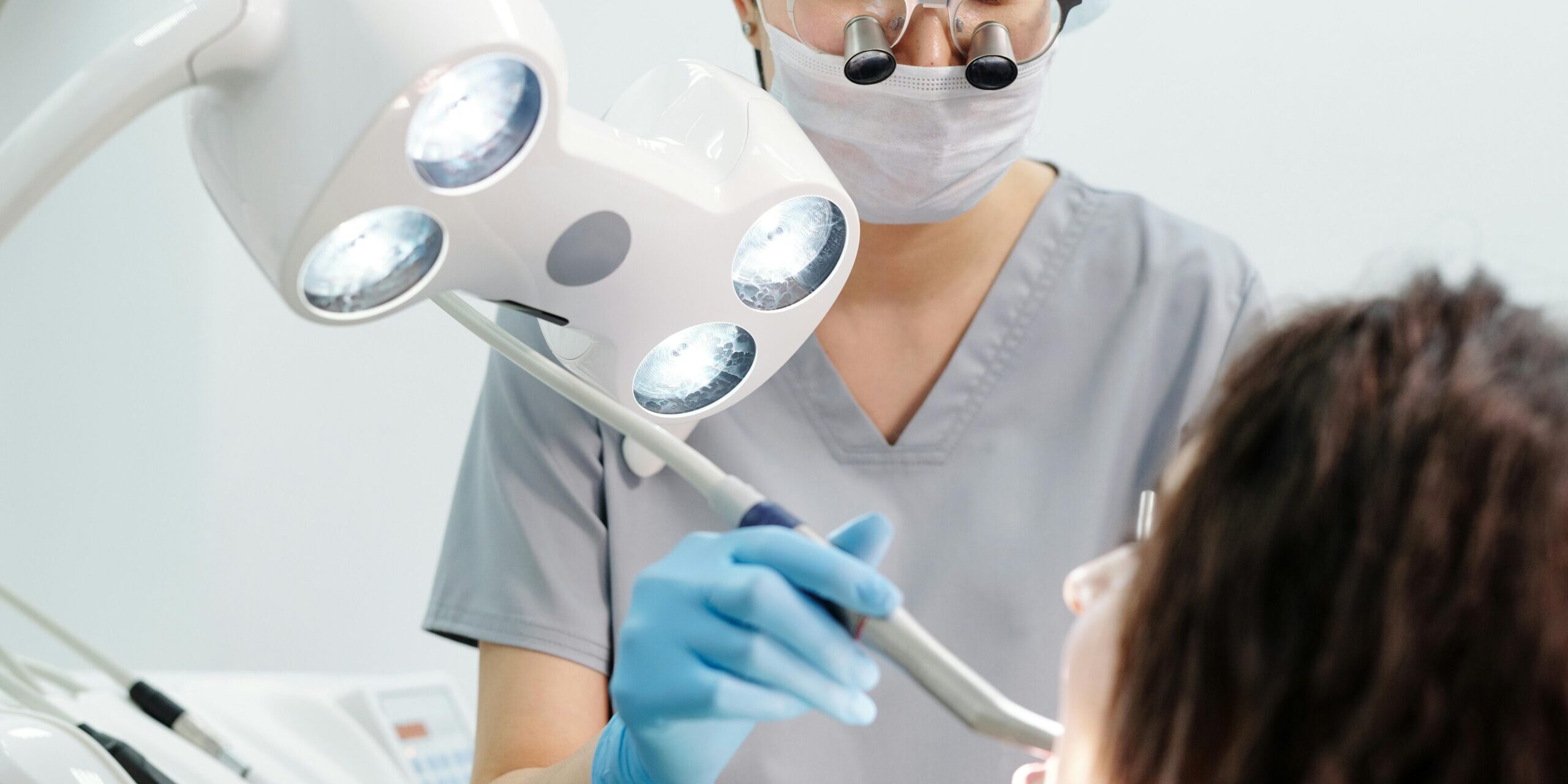
You already know that brushing and flossing help keep your teeth clean, but have you ever considered the full scope of professional teeth cleaning benefits? Regular cleanings are one of the most powerful ways to protect your gums from disease, support overall oral health, and even boost your confidence every time you smile. When you combine professional cleaning with consistent at-home care, you put yourself on the fast track to a healthier mouth and a healthier body. Below, you will find how routine dental visits, diligent daily habits, and a proactive mindset work together to prevent gum disease.
Whether you live in Bellingham, WA or anywhere else in the beautiful Pacific Northwest, you can take crucial steps right at home and in your dentist’s office to guard against oral infections. Read on and discover proven strategies to keep your gums strong and your smile bright.
Understanding gum disease
Gum disease is more common than you might expect. It typically starts when plaque — a sticky film of bacteria — builds up along your gumline. If you do not remove plaque quickly, it can harden into tartar and irritate your gums. In its early phase, known as gingivitis, you might notice redness or swelling around the gumline. You could also see some bleeding when you brush or floss.
In more advanced cases, gum disease is known as periodontitis. This can lead to the gums pulling away from your teeth, potentially causing tooth loss if left untreated. Regular brushing, flossing, and professional cleaning help you avoid this progression. Yet gum disease prevention is not just a matter of looks or avoiding discomfort. Studies suggest that inflammation in your gums can have wider impact on your body, possibly linking gum issues to cardiovascular health problems. That is why focusing on prevention now pays enormous dividends later.
If you want to learn more about early gum care at home, you can read preventing gingivitis naturally. That resource covers gentle methods to protect your gums from the usual culprits behind plaque buildup. With the right daily routine, you set the stage for fewer complications down the road.
The importance of professional teeth cleaning
You might wonder why professional teeth cleaning matters if you already brush and floss regularly. The answer is that even the best at-home care can leave small traces of plaque and tartar hardened in tough-to-reach corners of your mouth. This buildup is nearly impossible to remove without specialized dental tools.
When you go in for a cleaning, your hygienist thoroughly scales away tartar deposits, polishes your teeth to remove surface stains, and may apply fluoride for added protection. The entire process has multiple professional teeth cleaning benefits. First, it stops early gum disease in its tracks. Second, it reduces your risk of cavities and keeps your teeth looking their best. Finally, it allows your dental team to spot issues such as small fractures or enamel erosion before they become severe problems.
If you’d like to delve into broader tips on maintaining healthy gums, consider checking out prevent gum disease tips. Meanwhile, if you have concerns about the more advanced stages of gum issues, you might explore prevent periodontal disease tips. Both resources expand on why professional cleaning is such a cornerstone of gum disease prevention.
What happens during a cleaning
A professional cleaning session doesn’t just focus on polishing. It typically includes:
- Thorough examination – Your dentist or hygienist will look for signs of swelling, redness, or potential problem areas in your mouth.
- Scaling – This step involves removing plaque and tartar that build up at your gumline. Hardened tartar is impossible to remove with normal brushing, so scaling is crucial.
- Polishing – Your hygienist will often polish your teeth to remove minor surface stains.
- Flossing and rinsing – Finally, any remaining debris is flushed away with a rinse, and the hygienist might floss to ensure comprehensive cleanliness.
Afterward, you will likely leave the office feeling fresher and more confident. Beyond that, your gums will be in a much better position to heal and remain healthy when you follow up with consistent home care.
Steps you can take at home
Although regular professional cleanings substantially reduce your risk of gum disease, no dental visit can replace the importance of daily home care. When you look after your gums day in and day out, you create a powerful foundation to support any treatments or preventive measures your dentist provides.
Brushing the right way
It seems obvious, but the way you brush matters more than you might think. Use gentle, circular motions and aim the bristles toward your gumline. Scrubbing too hard can irritate your gums, so focus on a thorough but gentle technique. If you have trouble tracking the recommended two-minute duration, set a timer on your phone or listen to a short song.
You can also upgrade your at-home equipment by investing in an electric toothbrush with a timer. Many of these models vibrate every 30 seconds as a reminder to move to a different quadrant of your mouth. This habit ensures a uniform cleaning, leaving fewer places for plaque to hide.
Flossing for healthy gums
Flossing dislodges food particles and plaque between your teeth where bristles cannot reach. Make sure to floss at least once a day, ideally in the evening. You might start to see less bleeding and tenderness as your gums become stronger. For an in-depth look at how to refine your flossing method, refer to flossing tips for healthy gums. That article details simple strategies that boost flossing efficiency and comfort.
Choosing mouthwash wisely
An antimicrobial mouthwash can add an extra line of defense. Look on the label for active ingredients, such as chlorhexidine or essential oils that combat bacteria. Swishing for 30 seconds after brushing and flossing helps flush away lingering particles and reduces bacterial growth. If you prefer a more natural approach, certain alcohol-free rinses specialize in soothing sensitive gums.
Monitoring your gums daily
When you make it a habit to glance at your gums each time you brush, you can catch potential issues early. Watch for unusual swelling, discoloration, or sores that do not heal. If you spot anything concerning, mention it to your dentist during the next cleaning or call for an earlier appointment if it looks like a possible infection. Intervening quickly can save you time, expense, and discomfort later on.
If you want additional ideas on daily routines, check out gum disease prevention at home. It outlines practical steps to incorporate into your schedule without disrupting your everyday life.
Building a strong partnership with your dentist
Your dentist is not just someone you see when something goes wrong. Instead, think of them as an ally in your quest to keep your gums healthy for the long haul. By maintaining a regular schedule of checkups, you ensure that any small issues receive attention before they escalate. This proactive approach also means fewer emergency visits and surprises down the road.
Scheduling routine visits
When you visit the dentist at recommended intervals — typically every six months, unless advised otherwise — your dental team has the opportunity to spot weak areas in your oral care. For instance, they can detect early signs of gum recession around a tooth or unusual wear on the enamel. This real-time information helps you adjust your brushing or flossing routines. If you have not already done so, look into regular dental checkups gum health for insights into why consistency matters so much.
Effectively communicating concerns
Part of building that partnership is open communication. If your gums have been sore after brushing, mention it. If you are curious about a new electric toothbrush or changing your toothpaste, ask for guidance. Dentists welcome these conversations. By voicing your concerns, you and your dentist can work together to adjust your care plan or recommend products that align with your specific needs.
Check out dentist visits for gum health if you would like more detail on how a strong relationship with your dentist can help detect early stages of gum disease. When you have a trusted partner in your corner, you will be better equipped to address any challenges before they escalate.
Embracing total wellness
You might not connect your gum health to your overall bodily health at first, but the two go hand in hand. In the Pacific Northwest, where an active, nature-focused lifestyle is often the norm, your oral health can be just as essential to your sense of well-being as hiking or kayaking on the weekends. If you are in Bellingham, WA, you have likely noticed how the community takes pride in physical and mental fitness. Maintaining your gum health fits seamlessly into that mindset.
Gums and whole-body health
Inflammation is a key factor linking gum disease to other potential health issues. When your gums are constantly fighting off infection, your immune system can experience chronic stress. This sometimes correlates with challenges in other parts of your body, although research continues to explore the exact relationship. By focusing on steps such as professional cleanings, mindful brushing, and consistent dental checkups, you reduce this inflammatory burden. In turn, you could potentially lower the chances of related complications elsewhere in your body.
For more strategies on holistic gum care, check out best dental care for gums. It delves into how a balanced diet and stress management can further protect your mouth from harmful bacteria.
Nutrition for strong gums
What you eat directly impacts the health of your gums. Foods rich in vitamin C, calcium, and antioxidants can help fortify your gum tissue and reduce the risk of infections. Leafy greens, citrus fruits, and dairy products contain nutrients that keep your gums firm and improve your immune response. Staying hydrated is equally important, as water helps flush away food debris and bacteria, particularly after meals or sugary snacks.
When you blend a nutrient-dense diet with an established brushing routine and regular professional cleanings, you create a 360-degree shield against gum disease. It is not about drastic dietary shifts. Instead, focus on being intentional with each meal and recognizing how each choice might either amplify or undermine your gum care efforts.
Long-term strategies and mindset shifts
Preventing gum disease is not a one-time action. It is an ongoing commitment, much like daily exercise or following a balanced diet. By shifting your mindset from reactive to proactive, you can stop problems before they emerge. That means paying attention to the small signals your gums send and taking immediate steps to address them.
Early intervention makes a difference
If you catch gum disease in the early stages, there is a good chance you can reverse it through home care and additional cleanings. Many people wait too long, hoping that tenderness or bleeding will vanish on its own. Unfortunately, ignoring gum issues often leads to more extensive (and expensive) treatments later. You can read more about this in how to prevent gum disease. It covers the mindset shifts and daily habits that help you identify issues early and respond effectively.
Encouraging loved ones
Gum disease does not just affect you. Family members and friends face similar risks. If you have found a home routine or particular toothpaste that works wonders, share your experience. Encourage your loved ones to schedule regular cleanings. When you look out for each other’s oral health, it can strengthen your relationships and create a supportive circle of accountability. By spreading awareness, you can help more people protect themselves from the complications of gum disease.
Putting it all together
Professional teeth cleaning benefits go far beyond a bright smile. Cleanings remove harmful tartar, reduce gum inflammation, and give your dental team an up-close look at how your gum tissue is doing. Pair that with daily habits — mindful brushing, flossing, and a balanced diet — and you take a firm stand against gum disease.
If you have not visited a dentist recently or you are concerned about overlooked tartar, it is time to schedule an appointment. In Bellingham, WA, and throughout the Pacific Northwest, you will find caring professionals ready to guide you through a thorough cleaning and customized care plan. You might be surprised at how much better your mouth feels afterward.
Remember, the key is consistency. Through routine checkups, daily brushing and flossing, and a health-conscious lifestyle, you can enjoy not just a pristine smile but also better overall well-being. In short, your gums reflect what is going on beneath the surface, so give them the attention they deserve. It all begins with that first cleaning, that one shift in daily habits, and that unwavering commitment to long-term oral health.
Quick recap of key steps
- Get professional cleanings – These remove tough tartar that brushing and flossing miss.
- Watch for early gum disease – If you notice bleeding or redness, mention it to your dentist right away.
- Fine-tune your home routine – Gentle brushing, careful flossing, and a rinse can do wonders.
- Schedule regular checkups – Early detection through regular dental checkups gum health can spare you advanced procedures.
- Balance your diet – Nutrient-rich foods support gum tissue and overall oral health.
- Stay proactive – Look out for small issues before they become big ones, and check dentist visits for gum health for tips on collaborating with a dental professional.
By following these steps, you put your mouth and body on a path toward lasting health. Small daily actions create meaningful growth over time, and the rewards are clear: strong gums, stable teeth, and a fresh smile you can share with confidence. If you make gum care a priority through regular cleaning and solid habits, you will be amazed at how straightforward it becomes to ward off gum disease. It is your time to take charge, starting today.