Hearing that you need deep cleaning teeth can sound like a sign that something has gone badly wrong. Usually, it is not. It is a common, evidence-based way to treat gum disease early, and once you know what actually happens, the recommendation tends to feel much less intimidating.
What Deep Cleaning Teeth Means
According to 47.2% of U.S. adults, age 30 and older have some form of periodontal disease. That matters because “deep cleaning” is not a rare or alarming recommendation. It is something dentists suggest often because gum disease is common, especially as you get older.
In plain English, deep cleaning teeth means scaling and root planing. It is a non-surgical treatment used when bacteria and tartar have moved below the gumline, into spaces that a regular cleaning cannot reach deeply enough. Scaling removes buildup. Root planing smooths the root surface so gums have a better chance to heal and fit more closely around the tooth again.
What this means in practice is simple: the goal is not to make your teeth look polished for a day. The goal is to reduce infection and inflammation before gum disease gets worse.
If “deep cleaning” sounds intense, the move that works is asking exactly what your dentist is seeing: pocket depth, tartar below the gums, or signs of gum disease.
Why a Regular Cleaning Sometimes Is Not Enough
The American Dental Association describes deep cleaning below the gumline as treatment for gum disease when pockets are too deep for a routine cleaning alone. A regular cleaning focuses on the visible parts of your teeth and the shallow area near the gumline. A deep cleaning goes farther down, into infected pockets and along the root surfaces.
Here’s the thing: plaque starts soft, but when it hardens into tartar under the gums, your toothbrush cannot remove it. Standard polishing cannot either. That hardened buildup holds bacteria in place, which keeps the gums irritated.
What this means in practice is that a regular cleaning is maintenance, while a deep cleaning is treatment. If you have been told you need one, ask to see your gum measurements so the reason is clear.
The Gum Pockets Problem in Plain English
The ADA explains that gum disease starts when plaque builds up and causes inflammation that can make gums pull away from teeth, creating pockets. Think of the gumline like a turtleneck collar around each tooth. When the collar loosens, a gap forms. Food debris, bacteria, and tartar settle into that gap, and the deeper it gets, the harder it is to clean.
Inflamed gums also tend to bleed more easily, which can make home care uncomfortable. Unfortunately, avoiding the area lets the problem sit there longer. Deeper pockets then trap more bacteria, and the cycle keeps going.
The simplest version of this is that deeper pockets are harder to keep clean, so disease gets a place to hide. Ask for your probing chart and have each number explained in everyday language.
Signs You Might Need a Deep Cleaning
A deep cleaning is often recommended when your gums bleed easily, feel tender, look swollen, or seem to be pulling back from your teeth. You might also notice bad breath that does not go away, visible tartar near the gumline, or teeth that feel slightly loose or different when you bite down.
But there is a catch. Gum disease can be painless for a long time. That is one reason it gets missed so often. You can have inflammation, deeper pockets, and bone changes without the kind of pain that pushes you to call right away.
If your gums bleed when brushing or flossing for more than a week, schedule an exam instead of waiting for pain.
What Happens During a Deep Cleaning Appointment
Standard periodontal treatment guidance treats scaling and root planing as the first move before surgery is considered. That is good news if you feel anxious, because it means the starting point is usually the least invasive option that can still make a real difference.
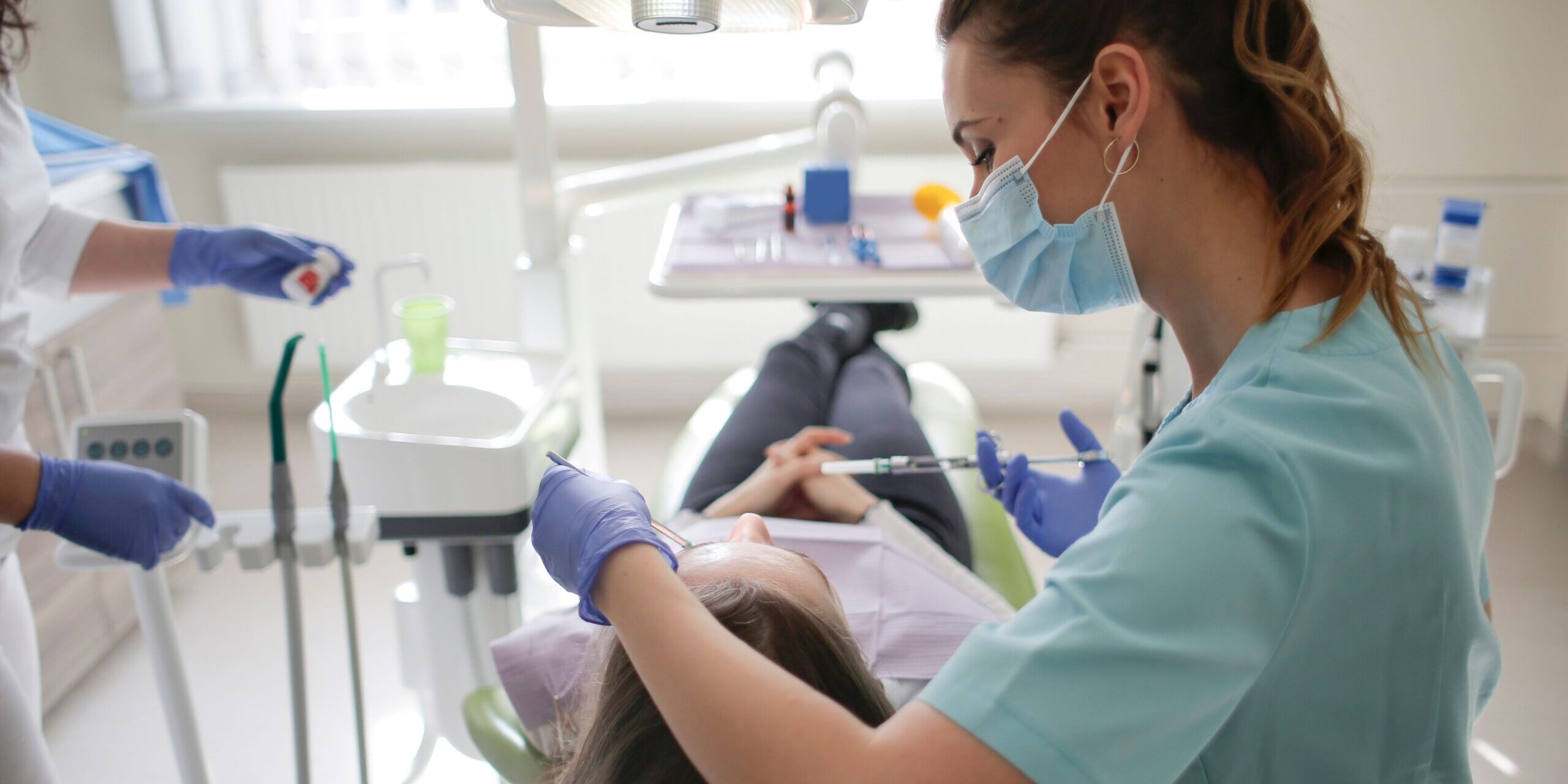
Your appointment usually starts with an exam and gum measurements. If deep cleaning is needed, local anesthesia is often used so the area becomes numb. After that, scaling removes plaque and tartar from the teeth and below the gums. Root planing smooths the root surfaces. In some cases, your dentist may place medication in a pocket or prescribe a rinse or pill if extra bacterial control is needed.
Treatment is often split into one to four visits, especially if multiple areas need care. That keeps appointments more manageable and helps with comfort. Before the appointment, ask whether treatment will be done by quadrant and how long each visit will last.
Scaling: Removing Buildup Above and Below the Gumline
Scaling is the part that removes plaque and tartar from the tooth surface, both above and below the gums. That can be done with hand instruments, ultrasonic tools, or a combination of both. Ultrasonic devices use vibration and water to break up buildup, while hand tools help with detail work.
Less buildup means less bacterial irritation. That matters because inflamed gums do not heal well when tartar is still sitting against the root.
If sound or sensitivity makes you nervous, ask whether ultrasonic instruments, hand scaling, or a combination will be used.
Root Planing: Smoothing the Root So Gums Can Heal
A 72-study review in the Journal of the American Dental Association found that scaling and root planing improved gum attachment by about 0.5 mm. That sounds tiny, but in gum treatment, small changes matter. A slightly shallower pocket is easier to keep clean and less likely to keep progressing.
Root planing smooths rough root surfaces so bacteria have fewer places to cling. It also gives the gums a better chance to settle back against the tooth. This is why deep cleaning is considered first-line, non-surgical treatment for chronic periodontitis.
Ask what result your dentist hopes to see at your recheck, usually less bleeding, shallower pockets, or firmer gums.
Does Deep Cleaning Teeth Hurt and How Is Comfort Managed
Worrying about pain is completely understandable. For most people, local anesthesia keeps the procedure tolerable, and pressure is more common than sharp pain during treatment. Afterward, soreness often lasts one to two days, and sensitivity can last up to a week.
That said, comfort is not automatic unless you say what you need. Dental anxiety, jaw tension, sound sensitivity, and fear of numbness all affect how an appointment feels. Planning for that before you sit in the chair usually helps more than trying to push through it.
If dental anxiety is part of the stress, tell the office before the visit so comfort options can be planned in advance.
What You May Feel During the Procedure
During treatment, you may notice vibration, water spray, scraping sensations, pressure, and numbness. None of that means something is going wrong. It is simply what the instruments feel like while buildup is being removed.
Some spots may feel more sensitive than others, especially near exposed roots or inflamed areas. Honest expectation helps here. You do not need to expect a spa experience, but you also do not need to expect severe pain.
Ask for breaks or agree on a stop signal before treatment starts.
Common Side Effects Afterward
Tenderness, slight bleeding, mild swelling, and cold sensitivity are common after deep cleaning. In some areas, your teeth may even look a little longer afterward. That can be unsettling, but it often reflects reduced puffiness in the gums rather than damage from the cleaning itself.
Healing usually moves in the right direction within a few days. If pain is worsening instead of easing, or bleeding feels heavy, that deserves a call.
Plan soft foods and avoid very hot, cold, or crunchy meals for the first day.
Why Deep Cleaning Helps
The JADA review of 72 studies gives the best quick explanation: deep cleaning can improve gum attachment by about 0.5 mm. In everyday terms, that means it can help slow or stop periodontitis before it leads to more tissue breakdown.
The point is not cosmetic shine. It is fewer bacteria under the gums, less inflammation, and a better chance of keeping your teeth stable over time. That matters even more if you already have fillings, crowns, or are considering implants, because healthy gums are the foundation for all of it.
At your follow-up, ask whether pocket depth and bleeding improved, not just whether the area “looks better.”
The Main Benefits You Can Expect
When deep cleaning works well, your gums bleed less, feel less tender, and look less swollen. Bad breath may improve because bacterial buildup has been reduced. Brushing and flossing often become easier too, which is a big deal if your gums have been sore for months.
It can also lower the risk that gum disease keeps advancing toward bone loss or tooth loss. That is the benefit that matters most, even if it is less obvious day to day.
Focus on one outcome after treatment, such as less bleeding when brushing, to track whether healing is moving in the right direction.
What Deep Cleaning Cannot Do
Deep cleaning is not a whitening treatment. It does not rebuild bone that has already been lost. And if gum disease is advanced, it may not solve everything by itself.
That does not mean the treatment failed. It means deep cleaning handles the bacterial and inflammatory part first, which is often the right place to start. Some cases still need additional periodontal care afterward.
Ask whether your case is expected to improve with deep cleaning alone or if further periodontal treatment may be needed.
Recovery, Aftercare, and What to Eat
ADA guidance on scaling and root planing puts a lot of weight on what happens after the appointment. That makes sense. Deep cleaning resets the area, but daily care is what keeps bacteria from building back up too quickly.
Brushing twice a day and cleaning between your teeth daily matter more now, not less. You may also be given a mouth rinse or medication. Tobacco slows healing and increases the chance that inflammation will return, so this is one of the biggest risk factors to take seriously.
For the first week, follow the exact cleaning instructions you are given rather than guessing or avoiding the area completely.
Deep Cleaning Teeth Aftercare Timeline
On day 1, soreness, tenderness, and numbness wearing off are typical. By days 2 and 3, discomfort usually starts easing, though cold sensitivity may still show up. During the first week, the gums begin settling, bleeding should decrease, and the area should feel less irritated.
Healing is not judged only by how it feels. Follow-up visits matter because the gums need to be remeasured. That is how your dentist checks whether pocket depth and bleeding improved.
Schedule your recheck before leaving the office so it does not get postponed.
What to Eat After a Deep Cleaning
Soft, non-irritating foods are usually easiest right after treatment. Yogurt, eggs, oatmeal, pasta, soup that is not too hot, smoothies, and soft cooked vegetables tend to go over well. Drinking water helps too, especially if your mouth feels dry.
If sensitivity is present, skip foods that are very hot, very cold, spicy, or crunchy for a day or two. You do not need a highly restrictive diet, just a gentle one.
Choose one easy meal for the day of treatment, such as yogurt, eggs, or a smoothie.
How to Keep Deep Cleaning Teeth From Becoming a Repeat Problem
According to CDC risk data summarized in periodontal research, gum disease is more common in smokers and becomes more common with age. The ADA also emphasizes that deep cleaning works best when it is followed by steady home care and regular maintenance.
What this means in practice is that deep cleaning is not magic. It removes what is already there, but it cannot protect your gums from the habits that caused the problem in the first place. Missed cleanings, inconsistent brushing between teeth, smoking, and ongoing inflammation all make recurrence more likely.
If smoking or skipped cleanings has been the pattern, pick the single habit most likely to protect your gums and start there this week.
The Home-Care Habit That Matters Most
A 2025 periodontal market report notes that less invasive options are favored because they are easier to recover from and often used early. But the long-term result still depends on what happens at home.
The home-care habit that matters most is daily disruption of plaque, especially between the teeth. Brushing matters, of course, but the spaces between teeth are where gum problems often linger. Deep cleaning resets the environment. Daily brushing and between-teeth cleaning keep it from filling back up.
Commit to cleaning between your teeth once a day at the same time each evening.
Why Follow-Up Periodontal Maintenance Matters
Deep cleaning is not always one-and-done. Some mouths need closer monitoring than the standard six-month cleaning schedule, especially if pockets were deeper or bleeding was significant.
Periodontal maintenance visits are more focused than regular cleanings. They include checking healing, remeasuring pockets, and cleaning areas that are more likely to collect bacteria again. That is not over-treatment. It is how stability is protected.
Ask what recall interval fits your gum measurements: three, four, or six months.
Common Questions About Deep Cleaning Teeth
A deep cleaning recommendation can bring up a lot of practical questions very quickly. Getting clear answers helps you make decisions from understanding rather than fear.
Write down your top question before your consultation so you leave with a specific plan, not just a diagnosis.
Is Deep Cleaning Really Necessary?
Necessity depends on findings such as pocket depth, tartar below the gums, bleeding, inflammation, and sometimes bone loss. It should be tied to what is happening in your mouth, not to pressure. Ask what specific finding makes the treatment necessary in your case.
How Long Does a Deep Cleaning Take?
Deep cleaning often takes one to four visits depending on how much of your mouth needs treatment and how deep the pockets are. Many offices treat by quadrant to keep visits shorter and more comfortable. Ask how many visits your mouth is likely to need before you book around work or childcare.
How Much Does Deep Cleaning Teeth Cost?
Cost can feel stressful, and it varies a lot. The total depends on severity, how many quadrants are treated, local fees, imaging, anesthesia, and your insurance benefits. Request a written estimate with procedure codes before treatment begins.
How Often Do You Need a Deep Cleaning?
Deep cleaning is not meant to be routine for everybody. It is an initial treatment for active gum disease, while ongoing care is usually periodontal maintenance. Ask what signs would show that your gums are stable versus needing further treatment.
What Changes Once You Understand the Goal
Once you understand that deep cleaning is about controlling infection below the gums, the recommendation usually feels less mysterious. You stop hearing “extra cleaning” and start hearing “early treatment.” That shift matters, because gum disease is much easier to manage when you catch it before it turns into surgery, tooth mobility, or tooth loss.
The clearest next step this week is simple: if deep cleaning has been recommended, ask to see your pocket measurements and have each number explained in plain language.