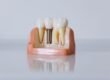
The dental veneer process is more common now because demand for cosmetic dentistry keeps climbing. The global veneers market is projected to grow from $2.65 billion in 2025 to $2.82 billion in 2026, which tells you one thing fast: more patients want a better smile, and they want it done with precision. If you want to know exactly how veneers go from idea to final result, this step-by-step guide covers the full path.
Before you start: what the dental veneer process is designed to do
A 2026 Business Research Company market report found sustained global growth in veneer treatment, driven by aesthetics, digital planning, and patient demand for natural-looking results. What this means in practice is simple: veneers are no longer a niche cosmetic upgrade.
Veneers are thin custom shells bonded to the front of your teeth to improve color, shape, size, and symmetry. According to the ADA, they cover only the front surface, unlike crowns, which wrap the whole tooth. The dental veneer process is a multi-step treatment, not a one-visit impulse decision. It depends on planning, healthy gums, careful enamel shaping, accurate impressions or scans, and exact bonding.
1. Confirm that veneers are the right fix for your smile goals
A 2026 Vanta Insights dental industry report identified cosmetic dentistry as a growing self-pay category, with veneers listed alongside whitening, bonding, and aligners. Demand is rising, but that does not mean veneers are the answer for every cosmetic issue.
Veneers work best for deep discoloration, chipped edges, worn teeth, small gaps, and uneven shapes. If your main issue is simple staining, whitening is the better move. If spacing or crowding is the real problem, orthodontics fixes the cause instead of covering it. If a tooth has major structural damage, a crown often gives better protection. And if gum inflammation is present, gum treatment comes first.
Define the one or two smile concerns you want corrected before your consultation.
2. Schedule a consultation and smile evaluation
A 2026 Future Market Insights report found that digital consultations and online case review reduce uncertainty for patients comparing treatment options. That matches what patients now expect from a dental visit: personalized care, clear communication, and a process that feels organized from the start.
At your consultation, your teeth are photographed, examined, and reviewed for bite alignment, gum health, and cavities. Your goals matter here, but your foundation matters more. Veneers sit on existing teeth, so weak enamel, active decay, or gum disease must be identified before cosmetic work begins. This visit should also cover how you want your smile to look, and just as important, what you do not want changed.
Bring reference photos or a short list of what you want changed and what you want preserved.
3. Build a treatment plan with material, shape, and cost decisions up front
A 2026 Future Market Insights report found that 41.8% of bookings are expected to happen directly with clinics because patients compare treatment quotes before committing. Price transparency is no longer optional.
Your treatment plan should spell out how many teeth need veneers, whether porcelain or composite makes more sense, what shade you want, how the teeth will be shaped, how long the process takes, and what the total fee includes. Porcelain is stronger, more stain-resistant, and usually more lifelike. Composite can be faster and less expensive, but it does not hold up as well over time.
Current cosmetic trends favor subtle enhancement, not overly bright, bulky, identical teeth. Ask for a written plan that includes material choice, tooth count, total fee, and visit schedule.
4. Complete any prep work before veneers begin
The ADA’s MouthHealthy guidance states that decay and gum disease should be treated before veneers are placed. That is not a formality. It is the difference between a stable result and a problem sealed underneath cosmetic work.
If you have cavities, gum inflammation, worn fillings, or grinding damage, those issues need attention first. If you want whiter surrounding teeth, whitening happens before veneer shade is selected, because porcelain color is chosen in advance and does not change later. For anxious patients, this step is reassuring for one reason: prep work prevents surprises after money and time have already been invested.
Complete any recommended cleaning or restorative care before approving veneer fabrication.
5. Preview your new smile with photos, digital design, or a mock-up
A 2026 Inside Dental Technology report found that patients increasingly want natural-looking results, not the extreme veneer look that dominated social media a few years ago. That shift has changed the planning process.
Modern veneer cases often use digital scans, smile design software, wax-ups, or temporary mock-ups to preview tooth length, width, and edge position before the final veneers are made. This is where communication gets sharper. You can see whether the design fits your face, your age, and your natural expression before anything permanent is bonded.
Approve the smile design only after checking how it looks when you talk and smile naturally, not just in a posed photo.
6. Prepare the teeth conservatively
A 2026 Inside Dental Technology report noted rising patient preference for minimally invasive cosmetic treatment that preserves natural tooth structure. That preference is well founded.
To place veneers properly, a small amount of enamel is usually reshaped so the final shell sits flush and looks natural. Some cases qualify for minimal-prep veneers. Others need more reduction to correct darkness, bulk, or alignment issues. The move that works is conservative preparation, enough space for strength and beauty, but no unnecessary removal.
Ask how much enamel removal your case requires and why.
7. Take impressions or digital scans for the final veneers
A 2026 Vanta Insights report found that digital dentistry is reshaping treatment workflows through digital impressions, CAD/CAM systems, and digital treatment planning. In veneer cases, precision here affects everything that happens next.
After tooth preparation, your dentist captures the exact shape of your teeth with impressions or digital scans. These records guide the dental lab in fabricating veneers that fit your teeth, your bite, and your smile line. Shade matching also happens at this stage, often with close-up photos in natural lighting so the final result blends with adjacent teeth.
Confirm that shade selection is matched to your full smile, not just one tooth in isolation.
8. Wear temporary veneers while your final restorations are made
The ADA explains that temporary veneers are often placed after preparation and before final bonding for porcelain cases. That short phase serves a real purpose beyond looks.
Temporary veneers protect prepared teeth, reduce sensitivity, and give you a preview of basic length and feel. They are not the final result, so minor roughness or less-polished edges are normal. You should also expect some food limits and a little extra caution when brushing or flossing. Predictability matters here, especially if dental treatment makes you nervous.
Keep a short note on anything that feels too long, too bulky, or uneven so it can be corrected before final bonding.
9. Try in and bond the final veneers
ADA guidance on veneer placement outlines the sequence clearly: try in the veneer, verify fit and shape, then bond it after the tooth surface is prepared. This is the precision appointment.
Your temporaries come off first. Then the final veneers are checked for fit, contour, shade, and overall appearance. Once approved, your teeth are cleaned, conditioned, and bonded with adhesive. A curing light hardens the bond, and excess cement is removed. After that, the veneers are polished and rechecked.
Speak up about shape, length, or bite pressure before bonding is completed.
10. Adjust your bite and confirm comfort before you leave
A UCLA prosthodontist quoted in 2026 OSHF research warned that improper fit can cause bite issues and irritation in veneer-like appliances. The same principle applies to clinical veneers: appearance means nothing if pressure is wrong.
Your dentist should check contact points, edge alignment, and how your teeth meet when you close, chew, and speak. Even a tiny high spot can make veneers feel awkward or wear faster. Function is not separate from cosmetics. It is part of the result.
Test your bite by saying a few words and closing fully so any high spot gets adjusted that day.
11. Follow the recovery and aftercare instructions exactly
The ADA notes that porcelain veneers are strong and stain-resistant, but maintenance still matters. Your first few days should be simple and deliberate.
Expect mild sensitivity at first. Avoid hard foods right away, brush gently, floss daily, and stop using your teeth to open packaging or bite fingernails. Porcelain resists staining better than natural enamel, but your surrounding teeth and the edges where veneer meets tooth still need careful hygiene.
Switch to a non-abrasive toothpaste this week if you are moving forward with veneers.
12. Protect your veneers for the long term with checkups and smart habits
ADA guidance and current cosmetic dentistry trends point to the same long-term rule: veneers last better when your bite, gums, and habits are monitored consistently. Veneers are not high-maintenance, but they are not maintenance-free either.
Routine exams and cleanings matter. If you grind your teeth, a night guard protects both veneers and natural enamel. If a small chip or bite issue shows up, early repair keeps it small. This is also where clinical veneers clearly separate from pop-on products. In a 2026 OSHF and Consumer Reports review, 41% of budget pop-on brands failed within six months, even though lower cost drove interest. Cheap shortcuts usually turn into expensive corrections.
Book a consultation or routine exam this week to find out whether veneers fit your smile, budget, and dental health.
Frequently asked questions
How long does the dental veneer process take?
Porcelain veneers usually take several visits over a few weeks, depending on planning, prep work, lab time, and final bonding. Composite veneers can move faster because they are often sculpted directly on the tooth.
Do veneers ruin your natural teeth?
Veneers do not ruin healthy teeth when treatment is planned correctly, but the process is not reversible because enamel is usually removed. That is why conservative preparation and the right diagnosis matter so much.
Are porcelain veneers better than composite veneers?
Porcelain veneers generally look more lifelike, resist stains better, and last longer. Composite veneers cost less and can require less prep, but they wear faster and need more maintenance.
Does getting veneers hurt?
The process is typically comfortable because teeth are evaluated carefully and prepared in a controlled way. Temporary sensitivity is normal after preparation and usually settles quickly.
Can you get veneers if you grind your teeth?
Yes, but grinding has to be addressed before or during treatment planning. A night guard is often part of protecting your final result.
What matters most before saying yes to veneers?
Clarity. You need a healthy mouth, a written plan, realistic smile goals, and confidence in how the final design will look and feel. Once you understand those pieces, the dental veneer process becomes much easier to judge.