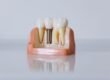
Do veneers hurt? Usually no. What you feel is numbness during prep, pressure while the veneers are placed, and short-term sensitivity afterward. For anxious patients, the harder part is often not pain at all, it is the injection, the sound of dental tools, the enamel removal, and the feeling of not knowing what comes next.
Do veneers hurt? the short answer
A 2026 sedation dentistry summary found that 30% of people avoid dental visits because of fear. That number explains a lot. If dental treatment already makes you tense, veneers can sound worse than they actually feel.
The direct answer is simple: veneers are not typically painful. During treatment, your teeth are numbed before any preparation starts. You should expect pressure, vibration, water spray, and time in the chair, not sharp pain. Afterward, you can expect temporary sensitivity, especially to cold.
What this means in practice: your anxiety deserves the same attention as your teeth. The move that works is naming the exact trigger before your consultation. Write down the one part that makes you most anxious, injection, drilling sounds, loss of control, or enamel removal, so it gets addressed directly.
What veneers are and why comfort depends on planning
A 2026 market report valued the global dental veneers market at $1,816.71 million, which tells you veneers are no fringe treatment. Veneers are thin shells bonded to the front of teeth, usually porcelain or composite. Porcelain veneers are often about 0.3 to 0.7 mm thick, which is thinner than many people expect.
Comfort depends less on the veneer itself and more on planning. The condition of your enamel, gum health, bite, and how much reshaping your teeth need all affect how the process feels. Veneers commonly require a small amount of enamel removal, which makes treatment irreversible. That is the real commitment.
Here’s how to use that information: ask exactly how much enamel preparation your specific teeth need. A clear answer lowers anxiety fast because uncertainty is usually the loudest part.
Porcelain vs. composite: which feels different?
A 2026 Erbil study found that durability was the strongest factor linked to preference for indirect veneers. That matters because patients often focus on pain, while long-term success usually shapes satisfaction more.
Porcelain often lasts 10 to 15 years or longer. Composite often lasts 5 to 7 years. But “less durable” does not automatically mean “less painful.” The real comfort difference comes from how much tooth preparation is needed and how carefully your case is planned. Some porcelain cases are very conservative. Some composite cases still need shaping.
The practical move is straightforward: ask whether your case qualifies for minimal-prep or no-prep veneers instead of assuming one material always feels easier.
What each stage of getting veneers feels like
A 2026 satisfaction study of 439 veneer recipients found that 76.5% were satisfied. Predictability is a big reason why. Once you know what each stage feels like, anxiety usually drops.
Veneer treatment is manageable when you know the sequence: planning, preparation, temporaries, final bonding, then bite adjustment. Ask for a step-by-step appointment timeline before treatment day. That one move gives you a mental map.
Consultation and smile design
This appointment should feel like planning, not drilling. Your teeth, gums, bite, smile line, and shade are reviewed. Photos and scans are often taken, and digital design tools can help preview the intended result.
A cosmetic dentistry trend report explains that digital smile design tools help patients understand expected tooth shape, color, and proportion before treatment begins. What this means in practice: a visual preview reduces fear of the unknown. Ask to see one.
Tooth preparation and numbing
This is the stage anxious patients worry about most. Once your teeth are numb, preparation feels like pressure, vibration, water, and time in the chair. It should not feel sharp.
The hardest moment emotionally is often the injection, not the veneer prep. That moment is brief, and it is what makes the rest comfortable. Ask for topical numbing before the injection and agree on a pause signal before treatment starts. That gives you control back.
Temporary veneers and the first few days
Temporary veneers often feel a little bulky at first. Your bite can feel different. Cold drinks can trigger sensitivity because enamel has been adjusted and your teeth are adapting.
Feels different does not mean something is wrong. It means your mouth is noticing change. The move that works is sticking to softer foods and avoiding very hot or very cold items for the first few days.
Final bonding and bite adjustment
Final placement usually does not feel painful. Your veneers are bonded, cured with a light, polished, and checked. What you notice most is often the bite. If one tooth hits early, it can make the whole smile feel off.
A dental review notes that persistent sensitivity or a rough edge should be reported promptly. Before you leave, bite down carefully and say something immediately if one tooth feels high.
What hurts after veneers and what does not
A 2026 topic review across cosmetic dentistry sources found that sensitivity, not severe pain, is the main complaint after veneers. That distinction matters.
Normal short-term experiences include mild gum irritation, tenderness from keeping your mouth open, awareness of the new surfaces, and sensitivity to cold. Not normal: strong throbbing pain, a loose veneer, a sharp edge, or pain every time you chew.
If sensitivity gets stronger instead of better after a few days, schedule a bite check instead of waiting it out.
How long sensitivity usually lasts
Sensitivity often settles over several days to a few weeks, especially when enamel was removed. It is not random. It usually tracks back to preparation depth, fit, and bite balance.
A clinical review notes that temperature sensitivity usually improves within days to weeks, but prolonged discomfort deserves evaluation. Use a desensitizing toothpaste before treatment if your dentist approves it.
What patients with dental anxiety should ask for
A 2026 sedation dentistry summary reported that 70% of practices offering sedation use nitrous oxide. That tells you anxiety support is normal dental care, not a special favor.
Ask about local anesthetic, nitrous oxide, shorter visits, headphones, a stop signal, and extra explanation before each step. The simplest version of this is control. Anxiety drops when you know what support is available before treatment begins.
The action is clear: ask during scheduling, not on treatment day, what comfort options are offered for anxious patients.
Sedation and gentle dentistry options
Local anesthetic blocks pain in the teeth and gums. Nitrous oxide helps you relax during the appointment and wears off quickly. Oral sedation reduces anxiety more deeply for longer visits.
Each tool has a job. Sedation helps with fear and muscle tension. Numbing handles pain. Rate your dental anxiety from 1 to 10 before the consultation so the support matches the procedure and your stress level.
When veneers are the wrong choice
A 2026 preference study found that 40.3% were undecided about veneer type. That usually means one thing: patients need guidance, not a sales pitch.
Veneers are not the first move for every cosmetic concern. Whitening can improve color. Bonding can fix small chips. Orthodontic treatment can improve alignment without removing healthy tooth structure. Active gum disease, untreated decay, and heavy grinding should be handled first.
What this means in practice: ask for one less-invasive alternative based on your exact goal before agreeing to veneers.
How to make veneers more comfortable and last longer
Comfort after placement depends on what happens next. Porcelain often lasts 10 to 15 years or more, while composite usually lasts less long. Daily brushing, flossing, regular cleanings, and avoiding ice chewing all protect that investment.
If you clench or grind, that force can chip veneers and create soreness. A custom night guard reduces stress on both veneers and natural teeth. If you grind your teeth, get fitted for a night guard before or immediately after treatment.
Questions to ask at your veneer consultation
Uncertainty fuels anxiety. Good questions cut it down fast.
Will you be numb?
Yes. Local anesthetic is typically used during tooth preparation so you feel pressure, not pain.
How much enamel comes off?
Only a small amount in most traditional cases, but even small enamel removal is permanent. Ask for the exact plan for your teeth.
Will temporary veneers feel strange?
Yes, at first. Slight bulkiness, bite awareness, and cold sensitivity are common during the adjustment period.
How long does sensitivity last?
Usually days to a few weeks. If it worsens, affects sleep, or hurts when you chew, get it checked promptly.
What happens if your bite feels off?
Your dentist should adjust it. A bite that feels high should not be ignored.
What sedation options are offered?
Common options include local anesthetic, nitrous oxide, and oral sedation. Bring this question in writing so it gets answered clearly.
What to try this week
Book a veneer consultation and say this when you call: dental anxiety is your top concern, and you want a comfort plan discussed before any treatment begins. That one sentence changes the entire appointment.