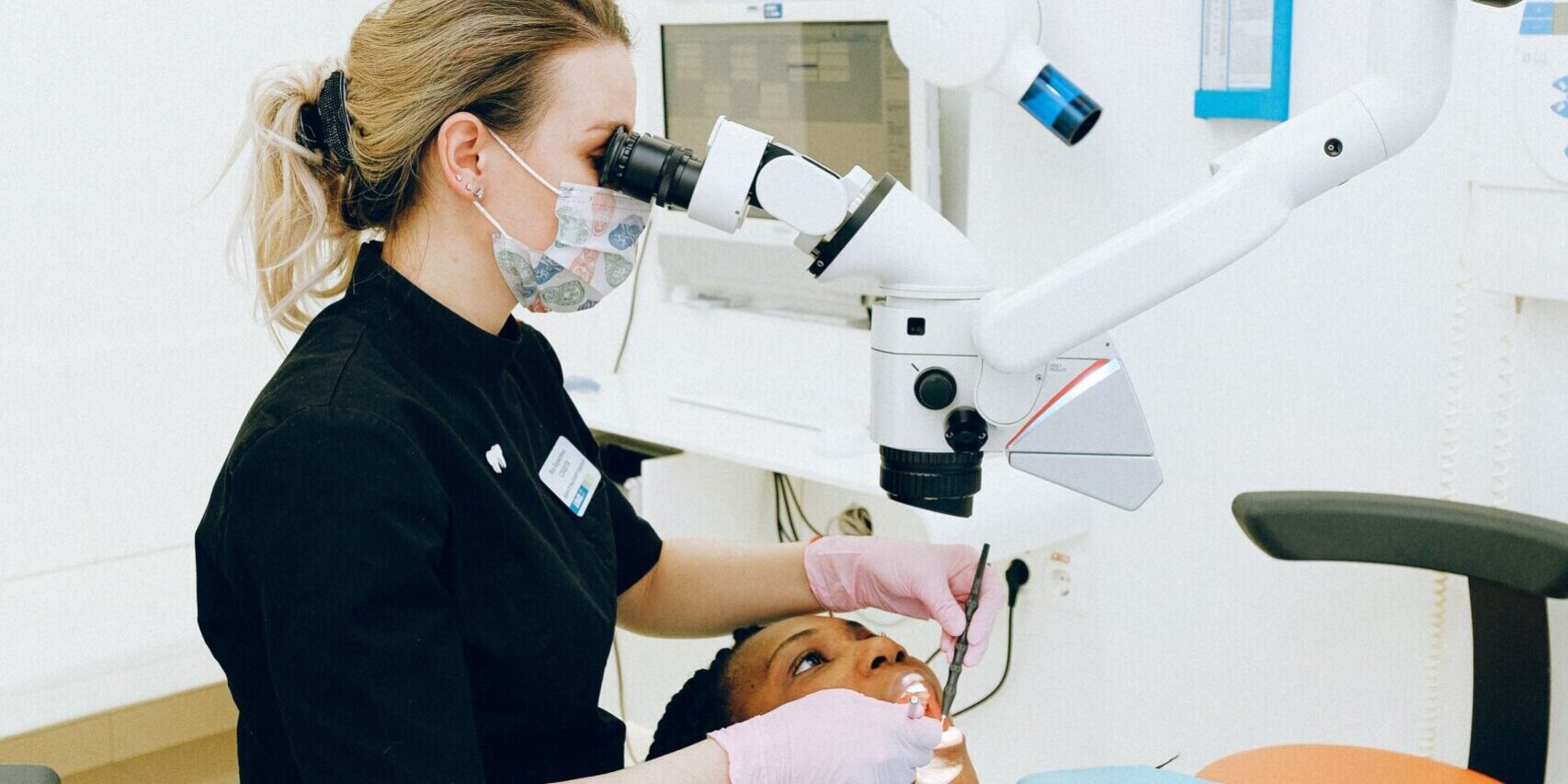
A 2010 study of 234 patients found postoperative pain after root canal treatment in just 9% of cases at 12 and 24 hours. That gets to the heart of the question, does a root canal hurt: the procedure itself is usually numb, and what you feel most often is pressure during treatment and mild soreness afterward.
Does a root canal hurt? the short answer
No, not in the way most people fear. During the procedure, your tooth and the surrounding area are numbed with local anesthetic, so sharp pain is not the normal experience. What you usually notice is pressure, vibration, water, and time in the chair.
After the numbness wears off, soreness is more common than pain during the appointment itself. That soreness is usually mild, short-lived, and easier to manage than the infection or deep inflammation that made the root canal necessary in the first place.
What you feel during a root canal
A 1983 clinical study of 229 patients found that moderate to severe pain during root canal treatment was the minority experience, reported by 15.7% of patients. What this means in practice: most appointments feel more strange than painful.
You can expect a numbing shot first, then a gradual loss of sensation in the tooth and gums. Once the area is fully numb, the typical sensations are pressure, vibration from dental instruments, and the feeling that something is happening deep in the tooth without actual sharp pain. If you have ever had a filling, the feeling is familiar, just longer.
The move that works during the appointment is simple: if you feel anything sharp, say so immediately. More anesthetic can be used, and treatment should continue only after you are comfortable.
Why the procedure itself usually does not hurt
Local anesthesia blocks pain signals from reaching your brain. That is why the procedure usually feels similar to a filling rather than the dramatic pain people imagine from old stories about dentistry.
Here’s where it gets interesting: an infected tooth often hurts badly before treatment because the nerve inside the tooth is inflamed or dying. Once the area is numb and the irritated tissue is being removed, the source of that pain is being addressed, not intensified. If you want a clearer picture of what happens inside the tooth during treatment, understanding the process makes the whole visit feel less mysterious.
What if you already have tooth pain before the appointment?
A 2010 study of 234 patients found that pre-treatment pain was one of the strongest predictors of feeling more soreness afterward. Patients who already had tooth pain reported postoperative pain at a rate of 15.9%, compared with 7.1% for patients without pain before treatment.
Plain English version: if your tooth already throbs, pulses, or hurts when you bite, you should expect the first day after treatment to feel more tender than average. That does not mean the root canal went badly. It means the area started out inflamed.
What patients actually feel after a root canal
A 2026 study found low pain scores after single-visit endodontic treatment, with no pain reported by any participants at 72 hours and 7 days. What this means in practice: the most common recovery pattern is early soreness that fades fast.
After the numbness wears off, you usually notice tenderness when biting, chewing, or tapping the tooth. The area around the tooth can stay irritated briefly even after the nerve inside the tooth has been removed. Patients often assume any sensation means something is wrong, but mild soreness is a normal healing response.
Common types of normal post-treatment discomfort
Normal discomfort usually feels like tenderness, not a sharp electric toothache. You can feel soreness in the ligament around the tooth, mild inflammation in the area, or jaw fatigue from holding your mouth open.
Chewing sensitivity is especially common. The tooth has been treated, but the surrounding tissues still need a little time to calm down. If the tooth started with warning signs of infection, those tissues are often already irritated before the appointment even begins.
How long the soreness usually lasts
The expected timeline is straightforward. Soreness tends to peak in the first 24 to 48 hours, then improve steadily over the next few days. The 2010 pain data showed low short-term rates overall, and the 2026 data showed no pain by 72 hours to 7 days in either group.
Here’s how to use it: plan soft foods and avoid chewing on that side for the first day or two. That single change lowers irritation while the area settles down.
What makes a root canal feel worse than expected
A 2010 study found that pain before treatment predicted pain after treatment better than the number of visits. That is the part most online horror stories leave out. The biggest driver of a harder recovery is usually the condition of the tooth before treatment, not the root canal itself.
If the tooth is badly inflamed, infected, or painful to pressure before treatment, recovery feels more noticeable. That is not a failure. It is a reflection of how angry the area was when treatment started.
Severe infection and pre-existing inflammation
The 1983 clinical study of 229 patients found that slight interappointment pain was more common than more intense pain, and moderate to severe pain remained the minority. That matters because it puts the experience in perspective.
A badly infected tooth is reactive before, during, and after treatment. Swelling, deep pressure, and constant throbbing raise the baseline. Once treatment begins, you are usually replacing infection pain with short-term healing soreness, which is a much better trade.
Single-visit vs two-visit root canal: does it change pain?
A 2012 randomized trial of 188 completed cases found no significant difference in pain between single-visit and two-visit root canal treatment. The number of appointments is not the main thing that determines how you feel afterward.
What matters more is the starting condition of the tooth, how inflamed the area is, and how well you protect the tooth during recovery. If cost is part of your decision, it also helps to understand what actually changes the total price, because extra visits do not automatically mean less pain.
When pain after a root canal is normal and when it is not
A 2020 follow-up study found that persistent pain after root canal treatment was uncommon, and many patients improved over time without additional procedures. What this means in practice: the pattern matters more than the presence of any sensation.
Signs of normal recovery
Normal recovery looks like mild to moderate soreness, tenderness when biting, and steady improvement over several days. You may notice the tooth if you chew on it, but each day should feel easier than the last.
Improving discomfort is the key sign to watch. A tooth that is gradually calming down is following the expected course.
Signs you should call your dentist
Call promptly if pain becomes severe, swelling is visible, you develop a fever, the pain wakes you up, your bite feels off, or symptoms stop improving after several days. Pain that intensifies instead of easing by day three needs a follow-up, not more waiting.
Why persistent “tooth pain” is not always from the tooth
A 2020 study found that 11 patients had TMD or headache-related causes contributing to ongoing “tooth” pain. That is a valuable reality check. Pain felt in a tooth is not always coming from the tooth.
TMD, headaches, and referred pain
Jaw joint strain, tight chewing muscles, and certain headache patterns can all refer pain into the teeth. That means you can feel a dull ache, pressure, or bite pain that seems dental even when the tooth itself is not the source.
This is why careful diagnosis matters. If discomfort lingers, the tooth should be assessed, but so should your bite, jaw joints, and surrounding muscles.
Why retreatment is not the first move
The same 2020 follow-up found that many patients improved without extra procedures. Persistent pain should be reassessed carefully before anyone assumes the root canal failed.
The move that works is asking for a full evaluation of the tooth, the bite, the jaw muscles, and the surrounding area. That approach prevents unnecessary retreatment and gets you closer to the real source of the pain.
How to make recovery easier
The simplest version of recovery is also the one that works best: protect the tooth while the area calms down.
The simplest version of recovery care
Take recommended pain medicine exactly as directed, eat softer foods, and avoid chewing on the treated side until tenderness settles. If a final crown is recommended, get it done on schedule, because that restoration protects the treated tooth from fracture and heavy biting forces.
Questions patients commonly ask about root canal pain
Is a root canal worse than a filling?
Usually no. During the procedure, it often feels similar to a filling because both depend on local anesthesia. The main difference is that a root canal appointment usually takes longer.
Does the numbing shot hurt more than the root canal?
For many patients, yes. The brief pinch and pressure from the anesthetic is often the most noticeable part of the visit.
Will you be able to drive and work afterward?
Yes. Many patients return to normal activities the same day. Once the numbness wears off, chewing tenderness is common, so plan meals accordingly.
Does a crown after a root canal hurt?
Usually not much. Any soreness from crown placement is generally minor and temporary, and the crown plays an important role in protecting the treated tooth.
What to do this week if you need a root canal
If a tooth is throbbing, sensitive to pressure, or keeping you from chewing comfortably, book an evaluation this week. Treating the infection now is the move that works, because the untreated tooth usually hurts more than the root canal itself.