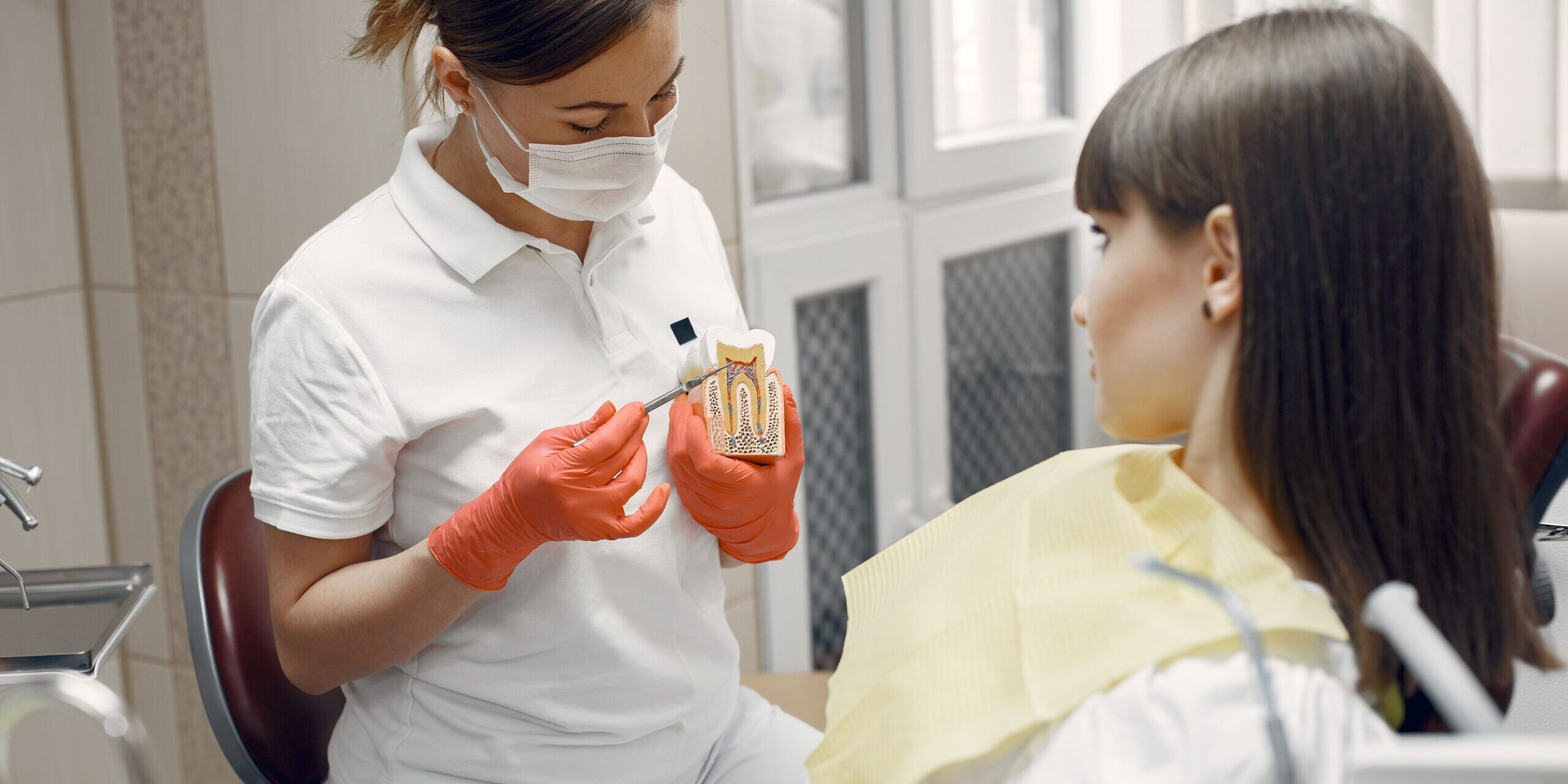
If you feel nervous about root canal recovery, the data is more reassuring than the horror stories. Root canal recovery usually brings a fast drop in pain, not a long stretch of suffering, and knowing the timeline makes the first week much easier to handle. What follows covers what you should expect, what helps, what slows healing, and when to call right away.
What you’ll learn:
- How recovery usually feels in the first week
- The best way to manage soreness and swelling
- What to eat and what to avoid
- How to keep the area clean
- Why the final restoration matters
- Which warning signs need prompt care
Root canal recovery timeline: what you should expect first
A 2011 systematic review by Pak and White found that pain prevalence dropped from 81% before treatment to 40% at 24 hours and 11% at one week. What this means in practice: recovery is usually easier than expected, and the first week trends in the right direction fast.
Right after treatment, numbness lingers for a few hours, and the tooth often feels sore, tight, or pressure-sensitive once the anesthetic wears off. That sensation is normal. The nerve inside the tooth has been treated, but the ligament around the tooth still reacts like any other tissue after a procedure. Plan a lighter schedule for the rest of treatment day.
What you feel in the first 24 hours
The same review found that pain severity on a 100-point scale dropped from 54 before treatment to 24 after 24 hours. In plain English, the biggest relief usually starts quickly.
You can expect lingering numbness, tenderness when biting, and a bruised feeling around the tooth. Sharp, escalating pain is not the normal pattern. Until the numbness is fully gone, avoid chewing completely so you do not bite your cheek, tongue, or the treated tooth by accident.
What recovery looks like by day 3 and day 7
Pak and White also reported a one-week average pain score of 5 out of 100. That is minimal discomfort, not ongoing procedure-level pain.
By day 3, soreness should be fading. By day 7, the tooth should feel noticeably calmer, even if pressure sensitivity has not vanished completely. Healing is not perfectly linear, so a mildly sore morning does not mean anything is wrong. The move that works is simple: notice whether each day feels easier than the last.
How to manage pain and swelling the right way
A later review of post-endodontic pain reported that discomfort usually peaks in the first 24 to 48 hours and then declines. Here’s how to use it: stay ahead of soreness early instead of waiting for it to build.
Take any dentist-directed medication exactly as prescribed, or use the recommended over-the-counter option exactly as instructed. If a cold compress was recommended, use it on schedule. Rest also matters more than people admit. Follow the exact medication timing given after treatment.
The move that works for post-procedure soreness
Medication works best when taken before the numbness fully disappears, because it controls inflammation before pain ramps up. That is the simplest version of this.
If you waited until pain spiked, relief takes longer. If you used medication on time, soreness stays controlled and more manageable. If you still have questions about the procedure itself, what treatment actually feels like helps separate the real experience from the myth. Severe pain that intensifies instead of settling down is not a normal recovery pattern.
Signs pain is normal vs. signs you need help
Normal pain feels tender with chewing, tapping, or clenching. You can feel soreness in the gum and around the tooth. That is expected early on.
You need help if swelling increases, pain grows stronger after several days, fever develops, a bad taste or drainage appears, or swallowing becomes difficult. Call the dental office the same day if any of those show up.
Eating and drinking after a root canal
Post-treatment tissue sensitivity and temporary restorations both make food choices matter. Eating the wrong thing too soon creates pressure on a sore tooth and raises the chance of damaging the temporary material. Choose soft foods for the first full day.
What to eat on treatment day
Soft, low-pressure foods are the safe move: yogurt, eggs, oatmeal, soup, smoothies, mashed potatoes, and pasta. These protect the area while numbness fades and tenderness improves.
Avoid very hot foods while you are still numb, because you will not judge temperature well. Also skip hard foods that force heavy biting pressure.
What foods and habits slow recovery
Crunchy chips, nuts, sticky candy, ice chewing, and chewing directly on the treated side all work against recovery. If medication instructions say no alcohol, follow that exactly.
The simplest version of this is reducing pressure on a healing tooth until it is fully restored. If you started treatment because of warning signs of an infected tooth, protecting the area after treatment matters just as much as treating the infection itself.
Keeping the area clean without irritating it
Clean teeth recover better than neglected teeth. Plaque sitting around a treated tooth irritates the gums and makes everything feel worse. Brush gently that night unless specific instructions say otherwise.
How to brush and floss after treatment
Use a soft toothbrush and clean the area gently but normally. Floss the tooth unless you were told not to. Avoiding the area completely sounds protective, but it actually invites irritation and trapped debris.
The goal is simple: keep the mouth clean without scrubbing aggressively. Gentle, consistent cleaning beats skipping the area.
If you had a temporary filling or temporary crown
Temporary materials often feel a little different. The bite can feel slightly unfamiliar, and the surface may feel less smooth than a final restoration.
Treat that temporary carefully. Sticky and hard foods can pull it loose or crack it. If it feels rough, loose, or comes out, call the office promptly so the tooth stays protected.
Activities to avoid while you recover
Less pressure and less irritation lead to a smoother first 48 hours. That means avoiding clenching, grinding, smoking, heavy chewing on the treated side, and hard exercise right away if the area is throbbing. Protect the tooth from heavy pressure until soreness is gone.
Why biting pressure matters more than most people realize
The ligament around the tooth often stays inflamed for a short time after treatment. That is why the tooth can feel tall or sore to bite even after the infection source has been removed.
Pressure is the problem here, not failure of treatment. If the bite feels dramatically off or keeps getting worse instead of better, call. Otherwise, give the ligament time to settle.
Why the final restoration matters for long-term success
A 2022 Regenstrief Institute and Indiana University School of Dentistry study using more than 46,000 records from 99 private practices found an average tooth survival of 11 years after root canal treatment. What this means in practice: the root canal removes infection, but the restoration protects the tooth for the long haul.
A treated tooth is no longer fighting infection, but it still needs sealing and structural support. Schedule the permanent restoration promptly if it is not already booked.
Crown, filling, or other restoration: what protects the tooth
The right restoration depends on how much healthy tooth structure remains. A crown covers and reinforces a more damaged tooth. A direct filling restores a tooth with more remaining structure.
Either way, the tooth needs protection soon. If you want the plain-English version of why this treatment is recommended, the goal is always the same: keep your natural tooth working.
Why delaying the restoration raises the risk
The same study found that teeth restored first with a direct restoration before crown placement survived 20.1 years on average. Timely protection changes outcomes.
Waiting leaves the tooth more vulnerable to fracture, leakage, and repeat problems. A successful root canal is only part of the job. Finishing the restoration is what protects that result.
When you should call the dentist right away
Increasing swelling, fever, trouble swallowing, drainage, a bad taste, an allergic reaction to medication, a lost temporary, or pain that is stronger on day four than day one all deserve prompt attention.
Do not wait and hope those signs fade on their own. Save the office number before treatment day.
How to support a strong recovery this week
The pattern is clear: pain usually drops quickly, normal soreness fades over days, and long-term success depends on prompt restoration and steady home care. Your next move is straightforward.
If treatment is already done, book or confirm the permanent restoration appointment this week.
Frequently asked questions
How long does root canal recovery usually take?
Most soreness improves sharply within 24 to 48 hours and becomes minimal within a week. Bite tenderness can last a little longer, especially if the tooth was very inflamed before treatment.
Is throbbing normal after a root canal?
Mild throbbing or pressure sensitivity during the first day or two is normal. Throbbing that gets stronger instead of weaker needs a call to the dental office.
Can you eat the same day after a root canal?
Yes, but wait until the numbness is gone. Start with soft foods and avoid chewing on the treated side.
Why does the tooth feel high when you bite?
The ligament around the tooth is often inflamed after treatment. That inflammation makes biting feel awkward or sore for a short time.
Do you always need a crown after a root canal?
Not always. The final restoration depends on how much natural tooth remains. Back teeth and heavily damaged teeth often need crowns because they handle more chewing force.
What if the temporary filling comes out?
Call the dental office promptly. The tooth needs protection until the final restoration is placed, and an open or loose temporary raises the risk of irritation and fracture.