Learning how to prevent cavities at home is a crucial part of keeping your teeth healthy for the long haul. By following consistent daily practices, you can help reduce plaque buildup, fight tooth decay, and keep your smile bright at any age. Simple measures can go a long way toward preserving strong teeth and gums.
In the Pacific Northwest, particularly in Bellingham, Lynden, and Ferndale, many people find that regular preventive steps support their busy lifestyles without adding extra stress. Whether you’re devoted to daily brushing or scheduling checkups in your city, a proactive approach to dental care can save you time, discomfort, and expense in the future.
Understand how cavities develop
Cavities don’t appear overnight. They typically form when sugars and acids in the mouth interact with plaque, wearing down your tooth enamel over time. If you don’t address problems early, harmful bacteria can penetrate deeper into your tooth structure.
Good oral habits help keep these bacteria under control and protect the enamel before it breaks down. By understanding what causes tooth decay, you remind yourself why consistency matters. Often, it boils down to the importance of dental hygiene and addressing minor issues before they become major concerns.
Brush with proper technique
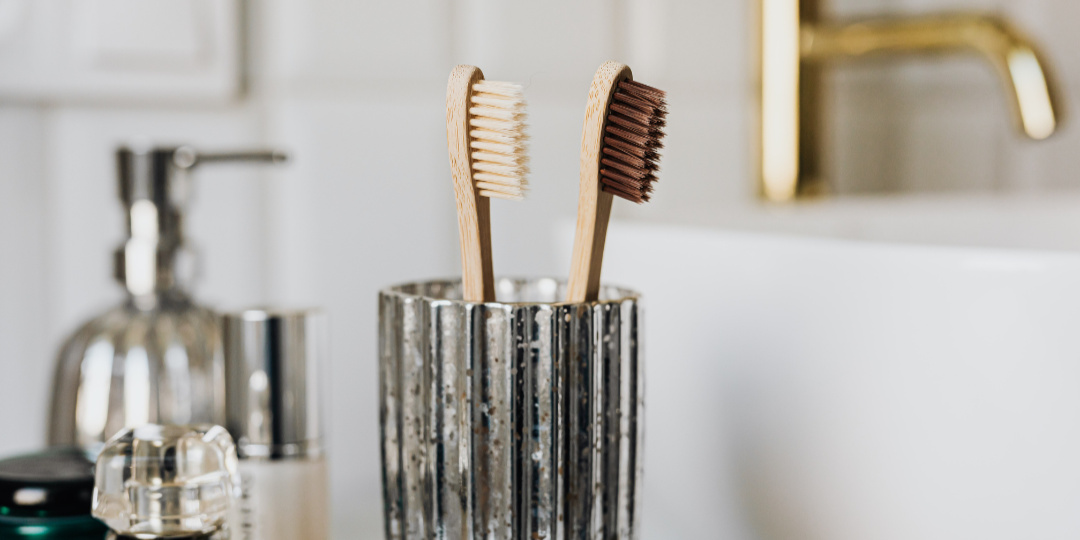
You’ve likely heard that brushing after meals helps minimize plaque. Still, technique can be just as important as timing. Dentists commonly recommend a soft-bristled brush and a gentle, circular motion to clean all tooth surfaces effectively. If you rush this step, you may miss food particles that quickly turn into plaque.
Aim for two minutes of brushing, at least twice a day. Some people find electric toothbrushes helpful because they provide consistent bristle movements and built-in timers. If you prefer manual brushing, try to reach every corner of your mouth and spend equal time on each section. For more detailed guidelines, explore best oral hygiene practices suited to your daily routine.
Use floss and mouthwash
Flossing clears away trapped food and plaque that your toothbrush might leave behind. If flossing feels awkward at first, remember that it becomes easier with practice, and it’s one of the most effective ways to clean those tight spaces between teeth. Using gentle pressure and curving the floss around each tooth can help protect your gums from irritation.
A good mouthwash can also help reduce bacteria, freshen your breath, and fortify tooth enamel. You might look for fluoride-based options or those specifically geared toward plaque control. Consider exploring the best mouthwash for plaque prevention if you’re unsure which product suits your needs.
Optimize your daily diet
Your eating habits can have a major impact on cavity prevention. Foods high in sugar or simple carbohydrates feed the bacteria that produce acidic plaque. It’s important to choose nutrient-rich items that promote saliva flow and support strong enamel. Some examples include:
- Leafy greens like spinach or kale
- Dairy products or calcium-rich alternatives
- Crunchy vegetables such as carrots or celery
- Plain water instead of sugary drinks
- Sugar-free gum sweetened with xylitol
If you want more specifics, check out these foods that prevent cavities to incorporate into your meals. Moderation is also key. Even healthy foods can contribute to plaque if you aren’t cleaning your teeth regularly. Strive for a balanced approach that includes more enamel-friendly choices and fewer sugary snacks.
Schedule professional checkups
No matter how thorough you are at home, routine exams from a qualified dentist are vital. In areas like Bellingham, Lynden, and Ferndale, you’ll find local practices that focus on preventing minor issues from escalating. Consider scheduling a cleaning at least once or twice a year to stay one step ahead of potential problems.
Professional cleanings remove hardened plaque (tartar) that regular brushing often misses. Regular checkups also let your dentist monitor the condition of your teeth and recommend tailored treatments. For more insight, learn about the benefits of regular dental visits and how to determine your optimal dental checkup frequency. Taking this step is one of the most reliable ways to keep cavities at bay.
Maintain a long-term routine
Cavity prevention thrives on consistency. Whether you’re managing a busy schedule or juggling family activities in the Pacific Northwest, small habits can protect your oral health more than you might expect. Set reminders to brush and floss if you tend to forget. Keep travel-sized supplies on hand for after meals, and try not to skip appointments when life gets hectic.
Pay attention to signals that something might be amiss, like unexpected tooth sensitivity or lingering discomfort, and address them promptly. Steady awareness can help you avoid complications that might lead to bigger procedures later. For additional guidance and tips, be sure to read up on oral health maintenance to reinforce the healthy practices you’ve already started.
Cavity prevention doesn’t have to be complicated. A few deft adjustments in your daily routine and professional checkups throughout the year can safeguard your smile for years to come. The heart of it all is knowledge, consistency, and a willingness to take small but meaningful steps. You’ll likely notice the difference in comfort, confidence, and peace of mind whenever you flash that bright grin.