If you are asking are sealants worth it, the short answer is yes for most kids, especially when permanent molars are coming in. The reason is simple: sealants protect the part of the tooth where cavities start most often, and the data behind them is unusually strong for a preventive dental treatment.
What dental sealants are and how they work
The CDC reports that school sealant programs lower cavity risk and that sealants prevent most cavities in the chewing surfaces of back teeth. That matters because molars are not smooth like the front of a tooth. They look more like a hiking trail map, full of narrow grooves where food, plaque, and bacteria settle.
A dental sealant is a thin plastic coating painted onto those grooves, usually on permanent molars. Once hardened, it acts like a rain cover over the deepest pits, blocking bacteria from getting stuck where a toothbrush bristle often cannot reach fully. The process is preventive care, not repair.
Sealants do not replace brushing, flossing, fluoride toothpaste, or regular exams. Instead, they cover a specific weak point in your child’s mouth. If you want the broader picture of preventive care, it helps to understand what family-focused children’s dental care includes.
Finding: Sealants directly protect one of the highest-risk areas for childhood cavities, and they do it efficiently.
Are sealants worth it for kids? the evidence
The CDC states that children ages 6 to 11 without sealants have almost 3 times more cavities in first molars than children with sealants. That is the strongest practical answer to the question. When a treatment targets the teeth most likely to decay and the cavity gap is that large, the value is hard to ignore.
The American Dental Association explains that sealants are most effective on molars because pits and fissures trap decay-causing bacteria. Protection is strongest soon after placement, when newly erupted molars are most vulnerable, and it remains meaningful for years if the sealant stays intact. The catch is that sealants only work if placement is done properly and checked at routine visits for wear or loss.
Finding: For most children, the cavity reduction is large enough to justify sealants as a standard preventive treatment.
What the research says about cavity prevention
According to the CDC, sealants prevent about 80 percent of cavities in the back teeth for 2 years after placement and continue to protect against 50 percent of cavities for up to 4 years. The ADA supports sealant use in children and adolescents based on evidence that sealed molars develop less decay than unsealed molars.
Long-term protection depends on maintenance. A sealant that chips or wears thin loses effectiveness, which is why dental checkups matter. If your child is due for a routine exam that checks tooth development and decay risk, sealants are usually part of that conversation once molars erupt.
Finding: The evidence for cavity prevention is strong, consistent, and backed by major public health and dental organizations.
When sealants deliver the most value
The National Institute of Dental and Craniofacial Research points to first and second permanent molars as the usual targets, because these teeth erupt during cavity-prone years and have deep chewing grooves. First molars often come in around age 6. Second molars often follow around age 12. Timing matters because freshly erupted molars benefit most before decay starts.
Value rises when your child has deep pits, a history of cavities, inconsistent brushing, or frequent snacking on sticky carbohydrates. There is one limitation: a child with very low decay risk and shallow grooves needs an individualized exam, not an automatic recommendation.
Finding: Sealants offer the highest value when permanent molars erupt and decay risk is moderate to high.
Costs, safety, and longevity
The cost logic is straightforward. Preventing a cavity with a sealant is cheaper than treating one with a filling, and much cheaper than the chain of future repairs that can follow if a filling fails years later. The ADA notes that many dental benefit plans cover sealants for children, particularly on permanent molars.
Sealants generally last several years, and the CDC notes that they can protect for up to 9 years. That does not mean you place them once and forget them. Your dentist checks them at routine visits and repairs or replaces them if needed.
Finding: Sealants deliver strong long-term value because the cost is low, coverage is common, and protection lasts for years.
How sealants compare with fillings financially
| Treatment | Typical cost pattern | Tooth structure removed | Future retreatment risk |
|---|---|---|---|
| Sealant | Low upfront preventive cost | None | Low, if monitored |
| Filling | Higher restorative cost | Some removed | Ongoing over time |
A sealant preserves the natural tooth completely. A filling does not. Once decay starts, treatment moves from prevention to restoration, and every restoration puts that tooth on a longer repair cycle.
Finding: Sealants are the more cost-efficient choice because prevention costs less and preserves the full tooth.
Are dental sealants safe for children?
The ADA states that sealants are safe and effective. Placement is fast, painless, and noninvasive. No drilling is needed when the tooth is healthy and the sealant is being placed preventively. The tooth is cleaned, dried, conditioned, coated, and hardened.
Parents often ask about BPA. The American Academy of Pediatric Dentistry reports that exposure from sealants is extremely low and that the benefits of preventing cavities outweigh that minimal exposure. The limitation is practical, not toxicologic: sealants need periodic checks because worn areas need repair.
Finding: Sealants are a safe preventive treatment for children, with very low material risk and no invasive placement.
Who should get sealants and what to ask your dentist
Children benefit most when permanent molars are fully or mostly erupted, grooves are deep, and cavity risk is rising. Some primary teeth also qualify if grooves are pronounced and decay risk is high, according to the AAPD. If you are preparing for your child’s first appointment timeline, this is one reason early dental care matters: prevention works best before damage starts.
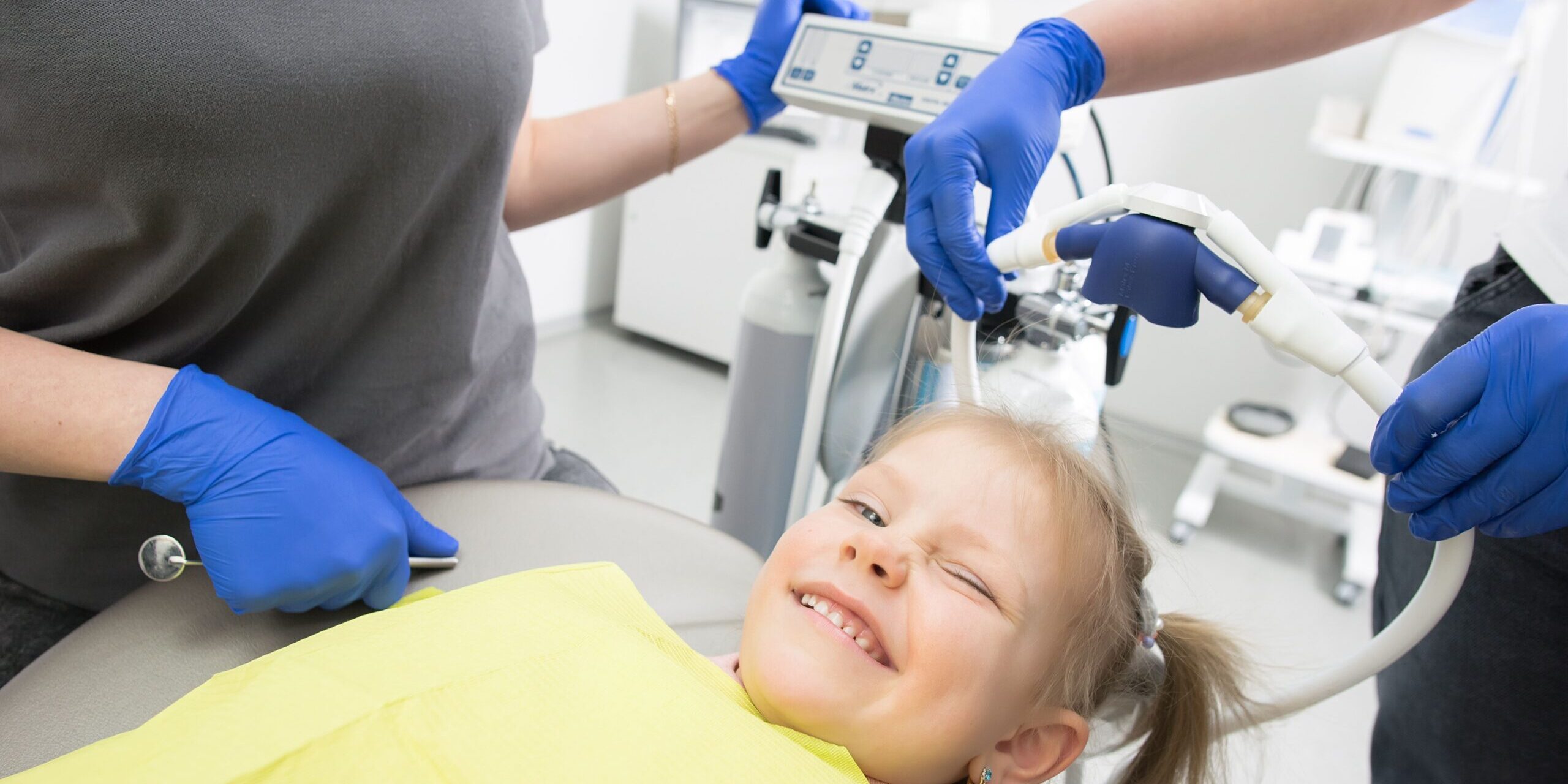
Placement is simple enough that anxious families usually find it reassuring. The visit involves cleaning the tooth, isolating it from saliva, applying the material, and curing it with a light. No shot. No drilling. No recovery time.
Finding: You can decide confidently once the exam confirms eruption stage, groove depth, and cavity risk.
Signs your child is a good candidate
A good candidate has newly erupted permanent molars, deep pits and fissures, past cavities, visible plaque buildup, or inconsistent home care. Age helps guide timing, but age alone does not decide anything. The shape of the tooth and decay history matter more than the birthday.
Finding: Ideal candidates are identified by tooth anatomy and decay risk, not by age alone.
Questions that help you evaluate the recommendation
Ask which teeth need sealants now, whether molars have erupted enough for placement, how long the material should last, and how often it will be checked. Also ask what the plan is if a groove already shows early decay, because a sealant is preventive, not a substitute for treating an existing cavity.
Finding: Sealant decisions are best made from exam findings, eruption timing, and evidence, not guesswork.
Frequently asked questions
At what age should kids get dental sealants?
Most kids get sealants when first permanent molars erupt around age 6 and second molars erupt around age 12. The deciding factor is eruption stage, not age by itself.
Do sealants hurt?
No. Placement is painless and does not involve drilling when the tooth is healthy and being sealed preventively.
How long do sealants last?
According to the CDC, sealants can protect teeth for several years and may last up to 9 years with routine checks and repair when needed.
Can sealants go on baby teeth?
Yes, but only when baby teeth have deep grooves and cavity risk is high. Permanent molars remain the main target.
Are sealants still worth it if your child brushes well?
Yes. Good brushing helps, but toothbrush bristles still miss deep fissures on molars. Sealants protect the area home care misses most often.
The simplest way to judge the value
If your child has erupting molars with deep grooves, sealants are worth it. Once you see sealants for what they are, a low-cost barrier that prevents high-cost decay in the teeth most likely to need treatment, the decision becomes much clearer.