A cracked tooth can often be saved, and that matters because quick treatment can be the difference between a simple crown and losing the tooth. If you are searching can a cracked tooth be saved because biting hurts, cold drinks sting, or one tooth suddenly feels wrong, here’s the short answer: yes, many cracked teeth are treatable, especially when you get them checked early.
Can a Cracked Tooth Be Saved?
According to the National Institute of Dental and Craniofacial Research, many tooth cracks can be treated successfully, but the result depends on depth, location, and timing. A small crack in the outer tooth structure is very different from a split that runs below the gumline. That difference decides whether a crown can protect the tooth or whether the damage has gone too far.
Think of a cracked tooth like a windshield chip. Catch it early, and the fix is often straightforward. Keep driving on it, and pressure spreads the damage. In your mouth, every bite adds force, especially on back teeth.
What this means in practice: if chewing hurts, pain comes and goes, or one tooth feels suddenly off, book a dental exam right away instead of waiting to see if it settles down.
What a Cracked Tooth Can Feel Like
The American Association of Endodontists explains that cracked teeth often cause pain while chewing, sensitivity to hot or cold, and symptoms that are frustratingly inconsistent. That inconsistency is what throws people off. You may feel sharp pain at lunch, then almost nothing by dinner.
A crack can open slightly under pressure and irritate the inside of the tooth. Once the pressure stops, the pain may fade. That does not mean the problem is minor. It just means cracks are sneaky.
What this means in practice: do not test the tooth at home with hard foods to “see if it still hurts.” Avoid chewing on that side and schedule an evaluation.
Signs the Crack May Be Minor vs. Signs It May Be Serious
The AAE crack classification guide separates cracks into craze lines, fractured cusps, cracked teeth, split teeth, and vertical root fractures. Craze lines are tiny surface lines and usually do not need major treatment. Fractured cusps and some cracked teeth are often saveable. Split teeth and vertical root fractures are much less likely to be restored.
Here’s the simplest version of this: a shallow line in enamel is not the same as a crack running deep into the root. One may need monitoring or a conservative repair. The other may need extraction.
What this means in practice: if you can see the damage, take a clear phone photo and bring that detail to your appointment.
When Tooth Pain Signals an Emergency
The Cleveland Clinic and the American Dental Association both note that facial swelling, severe throbbing pain, fever, bleeding, or pain that keeps you from sleeping can point to infection or deeper nerve involvement. That is no longer a watch-and-wait situation.
A harmless chip usually does not cause swelling or keep you awake at 2 a.m. A deep crack with inflammation or infection can. The catch is that people often assume the pain will calm down on its own. Sometimes it does briefly, but the underlying problem keeps getting worse.
What this means in practice: if swelling or severe pain shows up, seek same-day dental care instead of waiting for a routine visit.
Why Teeth Crack in the First Place
A review in the Journal of Prosthetic Dentistry identified common risk factors for tooth fractures, including hard foods, large old fillings, grinding, trauma, and weakened tooth structure. Most cracks do not start as dramatic breaks. They often begin small and deepen over time with repeated force.
Biting ice, chewing hard candy, clenching during sleep, or having a back tooth with a large filling all raise the odds. Sometimes the surprise is that the crack shows up while chewing something normal, like bread or chicken. That usually means the tooth was already weakened.
What this means in practice: if the tooth cracked during an ordinary meal, mention any history of clenching, old fillings, or recent dental work at the visit.
Teeth Most at Risk for Cracks
Endodontic guidance from the AAE notes that molars crack more often because they absorb the strongest biting forces. Teeth with large restorations are also more vulnerable because less natural tooth structure remains to handle pressure. Root canal-treated teeth can be at risk too, especially if they were never protected with proper coverage.
Here’s how to use that: if a back tooth with a big filling hurts when you release your bite, treat that pattern like a crack until a dentist says otherwise. That “pain on release” detail is surprisingly useful during diagnosis.
What this means in practice: switch to soft foods for the next few days to reduce pressure on the tooth.
Treatment Options That Can Save a Cracked Tooth
The American Dental Association explains that treatment depends on the type of crack and whether the pulp, which is the nerve and blood supply inside the tooth, has been affected. Some cracks need protection. Some need nerve treatment first. Some are too deep to restore.
For many saveable cracked teeth, the goal is simple: hold the tooth together and stop the crack from spreading. That is why crowns come up so often. But not every crack needs the same fix, and not every tooth can be saved with the same approach.
What this means in practice: ask whether the crack is above or below the gumline, because that answer usually guides what happens next.
Dental Crown: The Most Common Way to Protect a Saveable Cracked Tooth
A 2021 systematic review on crown survival supports what dentists see every day: crowns work well when a cracked tooth still has enough healthy structure left. A crown covers the visible part of the tooth and helps absorb biting pressure more evenly.
Picture a cracked ceramic mug wrapped tightly in a supportive shell. The wrap does not erase the crack, but it helps prevent it from splitting farther during normal use. That is often the move that works for a cracked molar that still has a stable foundation.
What this means in practice: if chewing pain is centered on one back tooth, ask whether a crown can protect it before the damage spreads. If you are looking for a dentist in Bellingham, Ferndale, or Lynden, request a crack evaluation specifically for crown candidacy.
Root Canal Plus Crown
The American Association of Endodontists reports strong outcomes for root canal treatment when the tooth is restorable and the crack has not split the root beyond repair. If the crack irritates or infects the pulp, a crown alone may not be enough. The nerve tissue has to be treated first.
This sounds intimidating, but the goal is straightforward: remove inflamed or infected tissue, seal the inside of the tooth, and then protect the outside with a crown. That combination can save a tooth that would otherwise keep hurting.
What this means in practice: if pain lingers after hot or cold drinks, mention that exact timing during the exam.
Bonding, Onlay, or Other Conservative Repairs
A 2020 restorative dentistry review found that smaller cracks and fractured cusps can sometimes be managed with bonding or partial-coverage restorations such as onlays. Not every tooth needs a full crown if the damage is limited and the tooth remains stable.
The key is long-term protection, not just making the visible chip look better. A quick patch that leaves the tooth weak is not much of a win if it fails under normal chewing.
What this means in practice: ask whether the simplest version of treatment will truly protect the tooth long term, not just patch the visible damage.
When a Cracked Tooth Cannot Be Saved
A 2023 Journal of Endodontics review describes the limits clearly: a split tooth, a deep vertical root fracture, or a crack extending too far below the gumline may not be restorable. That can be hard to hear, but it is better than pouring time and money into a tooth that will keep failing.
Saving a tooth is not the goal at any cost. The real goal is getting you out of pain and choosing the treatment most likely to last.
What this means in practice: if extraction is recommended, ask exactly where the crack travels and why restoration would fail.
What Happens After Extraction
The American Dental Association explains that replacement options after extraction may include a bridge, a partial denture, or a dental implant. Which option fits best depends on the tooth position, bone support, budget, and timing.
Even if the cracked tooth cannot be saved, you still want a plan. Missing back teeth can shift your bite and increase pressure on nearby teeth.
What this means in practice: ask for a replacement timeline the same day extraction is discussed so you know how to protect your bite.
What to Expect at a Dental Visit in Bellingham, Ferndale, or Lynden
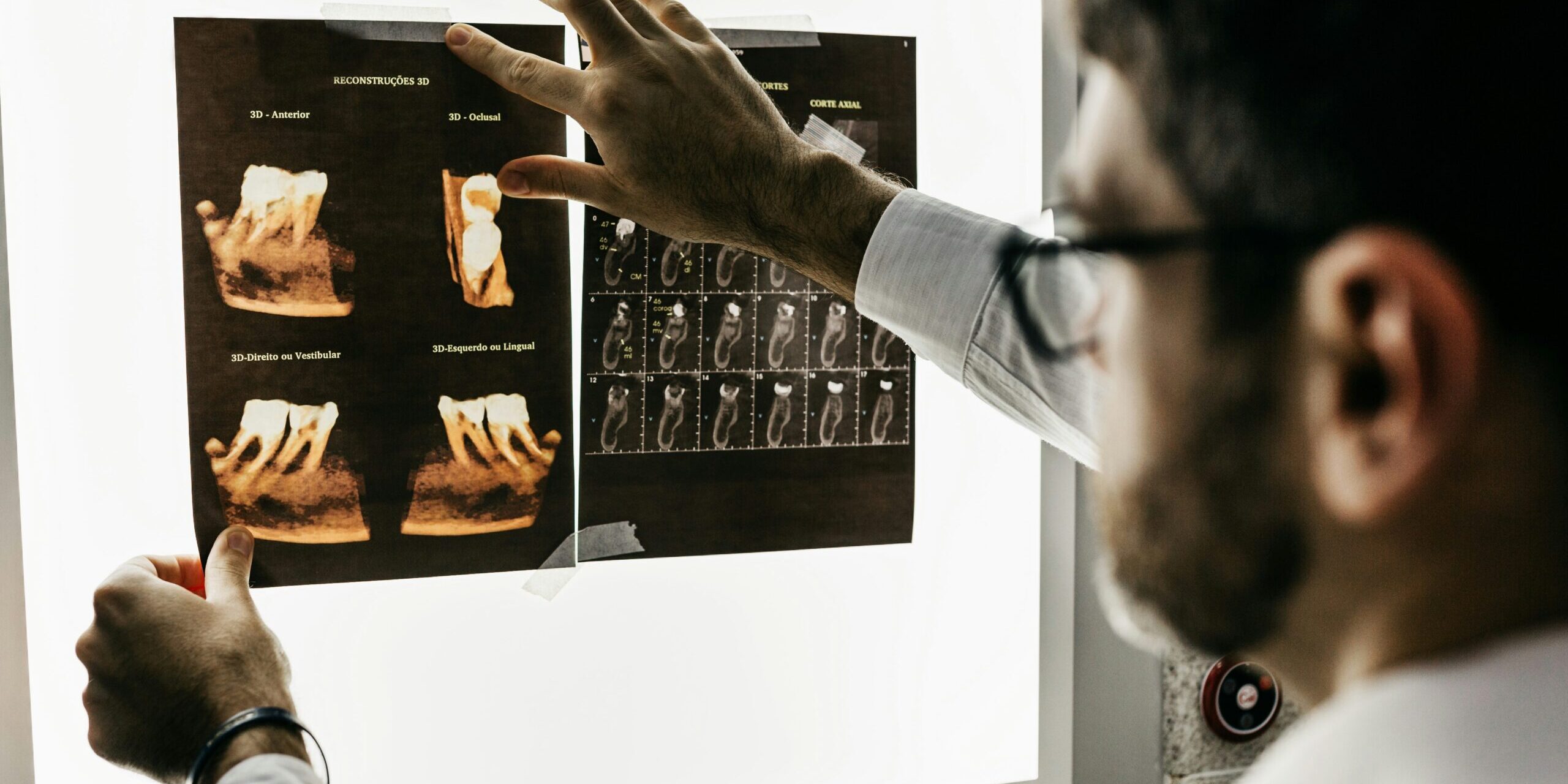
ADA diagnostic guidance notes that cracked teeth are evaluated with symptom history, bite testing, imaging, photos, and a close look at the gumline. Cracks do not always show up clearly on X-rays, which is why your description of the pain matters so much.
Be specific. Does it hurt when you bite down, when you let go, or when cold water hits the tooth? Those details help narrow down the problem faster.
What this means in practice: before the appointment, write down the one food or drink that most reliably triggers the pain.
Questions to Ask Before You Commit to Treatment
A 2021 JAMA Network Open study on medical decision-making found that clear communication improves follow-through and reduces confusion. In plain English, people do better when the diagnosis and next step make sense.
For a cracked tooth, the move that works is getting one clear diagnosis and one clear next step. Ask if the tooth is saveable, whether a crown is enough, whether a root canal is needed, how soon treatment should happen, and what to do until the visit.
What this means in practice: bring a short written list of your top two questions to the exam.
What You Can Do This Week If You Think Your Tooth Is Cracked
The American Dental Association recommends basic short-term care for a damaged tooth: avoid chewing on that side, skip hard or sticky foods, keep the area clean, and use pain relief as directed. That will not fix the crack, but it can keep the situation from getting worse before you are seen.
Fast evaluation gives you the best shot at saving the tooth, often with a crown before the crack deepens or reaches the nerve. If you are in Whatcom County and dealing with tooth pain in Bellingham, Ferndale, or Lynden, do not wait for the pain to become constant.
Book a cracked-tooth exam this week so you can find out if the tooth is saveable and protect it before the damage spreads.
Frequently Asked Questions
Can a cracked tooth heal on its own?
No. Tooth structure does not grow back together like skin or bone. Symptoms may come and go, but the crack itself usually remains and can worsen under bite pressure.
How long can you wait to treat a cracked tooth?
Not long. If the tooth hurts with chewing, feels sensitive, or seems different than usual, delaying care can turn a crown case into a root canal or extraction case.
Is a crown always needed for a cracked tooth?
No. Small cracks or fractured cusps may sometimes be treated with bonding or an onlay. But for many cracked back teeth, a crown is the best way to protect the tooth from further splitting.
How can you tell if a cracked tooth needs a root canal?
Lingering hot or cold sensitivity, deep throbbing, spontaneous pain, or swelling can suggest nerve involvement. A dental exam is the only reliable way to confirm that.
Can a cracked molar be saved?
Often, yes. Molars crack more often because they handle more force, but many can still be saved with a crown, or with a root canal and crown if the nerve is involved.
Should you go to the dentist if the pain comes and goes?
Yes. Intermittent pain is common with cracked teeth. In fact, pain that comes and goes during chewing is one of the classic patterns that makes a crack more likely.