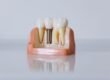
If you have pain after filling treatment, the first question is usually simple: is this normal, or is something wrong? Mild sensitivity is common and usually temporary, but the pattern matters more than the first day. A filling can leave a tooth feeling tender to cold, pressure, or sweets for a short time, especially if the cavity was deep. This guide helps you tell expected healing apart from pain that deserves a call.
How Common Is Pain After a Filling?
A patient education review from Hawthorn Woods Family Dental Care says 15 to 20% of patients notice sensitivity after a filling, and most cases settle without extra treatment. What this means in practice: discomfort after a filling is not rare, and it does not automatically mean the filling failed.
Pain after filling treatment usually means sensitivity or soreness that starts after decay is removed and the tooth is restored. You might notice a quick zing with cold water, tenderness when chewing, or a dull ache near the tooth. The useful question is not just “does it hurt?” but “is it improving?”
Here’s the core rule for the rest of this guide: the trend matters more than the first day. If symptoms ease little by little, that usually points to normal healing. If symptoms get stronger, last too long, or start happening without any trigger, that changes the picture.
What’s Normal After a Filling
Colgate’s patient guidance says temperature and chewing sensitivity often subsides within a week or two after a filling. What this means in practice: some mild discomfort can be expected, especially right after the numbness wears off.
Normal post-filling pain is usually mild to moderate, tied to a trigger, and short-lived. Cold drinks may sting for a few seconds. Biting on something hard may feel tender. Sweet foods may wake up the tooth briefly. The key is that each day should feel a little less dramatic than the day before.
A simple rule at home works surprisingly well: normal pain gets a little better, not a little worse, each day.
The Usual Timeline for Sensitivity
Enamel Dentistry notes that sensitivity commonly improves over 1 to 4 weeks, with deeper fillings sometimes staying noticeable longer. In day-to-day life, that means the first few days are often the most annoying, the second week should feel calmer, and lingering mild sensitivity after deeper work is not unusual by itself.
If the filling was small, you may feel normal within a few days. If the decay was close to the nerve, the tooth may take longer to settle. That slower timeline can still be normal, as long as the pain keeps moving in the right direction.
If you want a closer look at the recovery pattern, this breakdown of why a newly treated tooth can stay sensitive goes deeper into the typical triggers and timing.
Why Deep Fillings Tend to Hurt More
A clinical guide from Your St. Pete Dentist explains that a deep filling can irritate the pulp because treatment happens very close to the tooth’s nerve and blood supply. What this means in practice: a deeper cavity usually means a more reactive tooth afterward.
Think of it as a bruise inside the tooth. The filling fixes the decay, but the nerve can stay irritated for a while. That is why deep fillings often need more patience than shallow ones.
Still, deeper does not mean unpredictable. Even after deep work, the move that works is the same: watch for steady improvement.
What Isn’t Normal: Signs You Should Call the Dentist
Hawthorn Woods Family Dental Care warns that throbbing, swelling, nighttime pain, or worsening heat sensitivity can point to a bigger problem. What this means in practice: severe or worsening pain is not something to just wait out.
Call if pain lasts beyond 1 to 2 weeks without improving, keeps you awake, feels intense without any trigger, or suddenly gets worse after seeming manageable. A tooth that hurts on its own is different from a tooth that only reacts when something cold hits it.
Pain That Happens When You Bite Down
A common red flag is the “biting on a pebble” feeling. That often means the filling is slightly too high, so the tooth hits early and takes too much force.
Colgate explains that a filling that is too high can throw off your bite and cause pain when chewing. Here’s how to use it: if chewing hurts more than cold drinks do, a bite adjustment is often the simplest fix. Home remedies usually do not solve this one.
Throbbing, Night Pain, or Pain That Lingers After Hot or Cold
Your St. Pete Dentist describes the difference between reversible and irreversible pulpitis in plain terms. Brief sensitivity that fades quickly can happen when a nerve is irritated but still recovering. Pain that lingers after the sip or bite is gone, or pain that throbs on its own, is more concerning.
That lingering quality matters. If cold water hurts for two seconds, then stops, that may be normal. If it keeps aching after the glass is back on the counter, the nerve may be too inflamed to calm down on its own.
Swelling, Fever, Bad Taste, or a Cracked-Tooth Feeling
Enamel Dentistry notes that swelling, fever, discharge, or spontaneous pain can signal infection or deeper inflammation. A cracked-tooth feeling, especially with sharp pain on release after biting, can also point to a fracture rather than simple sensitivity.
The practical takeaway is direct: prompt evaluation beats delay. If you also lose part of the restoration, this guide on what to do if the repair comes out can help you protect the tooth until you’re seen.
Why Pain Happens After a Filling
Colgate explains that post-filling pain can come from nerve irritation, bite changes, or filling material behavior. What this means in practice: the cause usually predicts the fix.
Nerve Irritation From Drilling or a Deep Cavity
Removing decay and shaping the tooth can temporarily irritate the nerve. That is especially true when the cavity was already deep before treatment started.
This kind of pain is usually triggered, not random. The tooth reacts to cold, sweets, or pressure, then gradually settles. If the nerve stays healthy, time is often the treatment.
A High Filling and Uneven Bite Pressure
Kirkwood Family Dental says a slightly high filling can put extra force on the tooth every time you chew. That pressure can also irritate the ligament around the root, which makes the tooth feel sore or “off.”
Here’s the practical takeaway: chewing pain often improves fast once the bite is adjusted. If your bite feels wrong, ask for a recheck instead of trying to tough it out.
Composite Filling Sensitivity and Bonding Stress
Colgate notes that composite resin can shrink slightly as it cures, which may create tension or tiny gaps that trigger sensitivity. Honestly, this is one reason some teeth feel cold-sensitive even when the filling itself looks fine.
That does not mean the material is bad. It means the tooth may need time, desensitizing care, or a recheck if symptoms linger.
Less Common Causes: Allergy, Crack, or Recurrent Decay
Rare causes exist, but they are not the first place to go. An unusual metal reaction, a cracked tooth, a worn margin, or new decay around the filling can all cause pain, especially if symptoms return months later.
If your pain comes back long after the appointment, the filling may not be the whole story. It also helps to understand how long restorations usually hold up, because age and wear can change the picture.
What You Can Do at Home to Ease Normal Filling Pain
Hawthorn Woods Family Dental Care recommends desensitizing toothpaste, gentle brushing, avoiding extreme temperatures, and short-term pain relief for mild symptoms. What this means in practice: home care is useful for improving discomfort, not worsening pain.
The Simplest Version of Relief in the First 48 Hours
Keep food and drinks lukewarm. Chew on the other side if possible. If the area feels sore from the procedure, a cold compress on the cheek for 15 to 20 minutes at a time can help.
The move that works is reducing triggers while the tooth settles. Not forever, just for a couple of days.
The Best Toothpaste and Brushing Approach for Sensitivity
If you already have sensitive teeth, switch temporarily to a sensitivity toothpaste and use a soft-bristled brush. Brush gently around the filling instead of scrubbing the area because it feels strange.
That sounds basic, but it helps. Less irritation gives the tooth a better chance to calm down.
When Over-the-Counter Pain Relief Makes Sense
If soreness is mild and short-term, common pain relievers may help. Follow the label and any medical guidance that applies to you. The goal is comfort while healing, not covering up a tooth that is getting worse.
If you need more medication each day instead of less, that is useful information. It usually means the tooth should be checked.
When a Recheck Leads to a Simple Fix, and When You May Need More Treatment
Colgate notes that lingering post-filling pain may sometimes require anything from a simple adjustment to root canal treatment, depending on the cause. What this means in practice: follow-up visits are often straightforward, and sometimes they are truly necessary.
Quick Office Fixes That Often Solve the Problem
A recheck may include adjusting your bite, smoothing a rough spot, applying fluoride varnish, or checking how the filling contacts the teeth next to it. These are conservative fixes and often solve the problem quickly when the issue is mechanical or sensitivity-related.
If pain shows up mostly with chewing, this is often where the answer is found.
When the Tooth May Need a Crown or Root Canal
Sometimes the nerve stays too inflamed to recover. Severe spontaneous pain, night pain, or deep lingering sensitivity can point that way, especially after a large filling in a badly decayed tooth.
A crown may be needed if the tooth structure is too weak. A root canal may be needed if the nerve cannot heal. Not common, but not something to ignore.
How to Lower the Chances of Pain After Your Next Filling
A biomimetic dentistry review from Aspen Dental Care argues that technique affects sensitivity risk and that pain is not always inevitable. What this means in practice: some risk can be reduced before you ever leave the chair.
If You Already Have Sensitive Teeth, Say So Early
About 1 in 8 Americans has dentin hypersensitivity, which can make any dental work feel more noticeable afterward. If cold drinks already bother you, or past fillings stayed tender for weeks, mention it before treatment.
Also mention teeth grinding, jaw soreness, or dental anxiety. That information helps shape expectations and follow-up.
The Questions Worth Asking Before You Leave the Chair
Ask how deep the filling was, what kind of sensitivity is expected, how long it should last, and exactly when to call. That small conversation prevents a lot of second-guessing later.
The simplest version of this: leave knowing what is normal for your specific tooth.
Answers to Common Questions About Pain After a Filling
How long should pain after a filling last?
Mild sensitivity often fades within a few days to 1 to 2 weeks. Deep fillings can take longer, sometimes up to 4 weeks, but the tooth should still be improving. If the clock keeps running with no progress, call.
Why does my filling hurt when I chew?
The most likely reason is a high filling that changes how your bite comes together. If an adjustment does not solve it, other possibilities include a crack, ligament irritation, or deeper nerve inflammation.
Is throbbing pain after a filling normal?
Mild soreness can be normal. Throbbing pain, especially pain that starts on its own or wakes you at night, is more concerning and should be checked promptly.
Why does my tooth hurt months after a filling?
Pain that starts months later can point to a crack, leakage around the filling, recurrent decay, wear, or a nerve that never fully settled. That pattern calls for an exam rather than home care.
The One Step to Take This Week if Your Filling Still Hurts
If your pain is mild and improving, protect the tooth, avoid obvious triggers, and keep watching the trend. If your pain is lingering, worsening, tied to biting, or waking you up at night, schedule a dental recheck this week. That one step usually brings clarity fast, and in many cases, the fix is simpler than you expect.