An analysis of 2017-2018 National Health Interview Survey data estimated that 4.8% of U.S. adults reported jaw-joint-area pain potentially related to TMD, not an examination-confirmed diagnosis. If you’re searching “what is TMJ,” that distinction matters: TMJ names your jaw joint, not automatically a disorder. Understanding the terminology helps you describe symptoms accurately, recognize when pain needs evaluation, and avoid treatment aimed at a problem you haven’t been diagnosed with.
What is TMJ, and how is it different from TMD?
A 2024 meta-analysis covering 74 studies and 172,239 people estimated TMD prevalence at 34%, but measured a broader range of disorders than the U.S. pain survey.
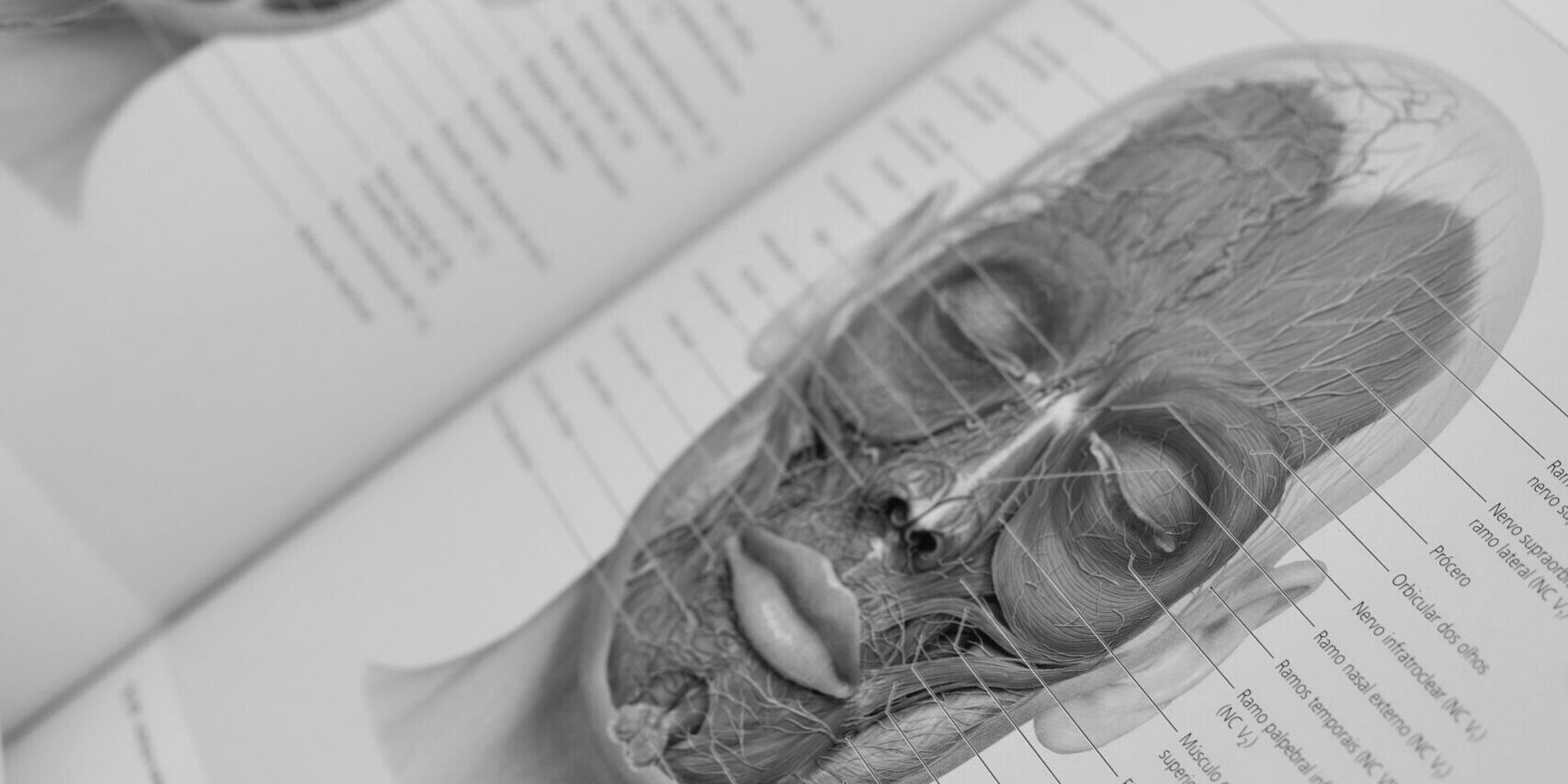
TMJ stands for temporomandibular joint, the joint connecting your lower jaw to your skull. You have one on each side. TMD means temporomandibular disorders, the conditions affecting these joints, your chewing muscles, and nearby tissues.
Your joints rotate and glide as you speak, chew, and yawn. A small cushioning disc helps those movements happen smoothly. TMD includes more than 30 conditions, so “having TMJ” is familiar shorthand rather than a precise diagnosis. “TMJ disorder” usually means a disorder affecting this system. (NIDCR)
The roughly 5% to 34% prevalence range reflects different populations, symptom definitions, and examination methods. A survey counting pain and an examination identifying disc movement are not measuring the same thing. Neither number tells you whether your own symptoms need treatment.
When booking care, describe your actual concern as “jaw pain,” “jaw clicking,” or “jaw locking,” rather than relying on “TMJ.”
Which TMJ symptoms suggest a muscle problem or a joint problem?
Eric Schiffman and colleagues’ 2014 Diagnostic Criteria for Temporomandibular Disorders publication drew on validation research involving 705 participants. The practical lesson is straightforward: a symptom history and examination work together. Sound or pain location alone does not establish a diagnosis.
Muscle-related and joint-related symptoms overlap
Aching or fatigue across your cheeks and temples fits a chewing-muscle pattern. Pain immediately in front of your ear, catching, locking, or restricted opening directs attention toward the joint. Both patterns can coexist.
The distinction matters because treatment should address the structures contributing to your pain, not simply the loudest click. During an examination, reproducing your familiar pain with specific movements or gentle pressure helps connect symptoms to a source.
A headache that changes with chewing or clenching also belongs in your history. But not every headache comes from your jaw, even when jaw soreness occurs alongside it.
Tooth, ear, sinus, and nerve problems can resemble TMD
Sensitivity tied to one tooth, especially with temperature changes or biting, raises a dental question. Ear drainage or hearing changes call for an ear assessment. Nasal congestion with facial pressure raises different questions, while brief, electric-shock-like facial pain warrants evaluation for nerve-related causes.
These clues guide your evaluation; none proves a diagnosis. Ear pain does not automatically mean infection, and facial pressure does not establish sinus disease.
Record the location and trigger of one typical pain episode to bring to your appointment.
What causes TMJ disorders?
Gary Slade and colleagues’ 2016 report from the OPPERA research program described approximately 4% annual incidence of examiner-confirmed TMD among 2,737 initially unaffected adults ages 18-44. Facial-pain symptoms appeared much more frequently, about 19% annually in the wider cohort, illustrating why pain alone does not identify a joint disorder.
Jaw strain, injury, and pain sensitivity can interact
TMD usually does not have one simple explanation. An injury, repeated clenching, sleep-related grinding, arthritis, disrupted sleep, stress, inherited susceptibility, and differences in pain sensitivity all belong in the assessment. These are contributors or associated factors, not universal explanations.
For many TMDs, the exact cause remains unclear. Stress-related pain is real: muscle activity, sleep disruption, and changes in pain processing affect your experience physically. A stress connection does not make your pain imaginary.
Migraine, back pain, fibromyalgia, and other persistent-pain conditions also overlap with TMD. Sharing that history helps your clinician assess more than the joint alone. NIDCR highlights higher prevalence among adults ages 20-40 and among women; other estimates peak later because definitions and populations differ. (NIDCR)
An imperfect bite does not prove the cause. Crowns, orthodontics, or cosmetic bite changes are not the default answer to jaw pain.
Identify the recurring situation in which you notice jaw tension most often, such as concentrated desk work or waking from sleep.
When does jaw pain need urgent care?
Schiffman and colleagues’ 2014 DC/TMD framework emphasizes evaluating symptoms and excluding other explanations. Emergency decisions come from separate emergency-care guidance, not from that diagnostic validation research.
Uncomplicated TMD is generally not life-threatening. Assuming every episode of jaw pain is TMD, though, risks delaying care for something unrelated and urgent.
Get emergency help for breathing trouble or possible heart symptoms
American Heart Association guidance identifies jaw discomfort among possible heart-attack symptoms. Jaw pain accompanied by chest pressure, shortness of breath, sweating, or nausea requires emergency assessment. Call 911 rather than driving yourself.
Rapidly spreading facial or neck swelling that interferes with breathing or swallowing also requires emergency care. Severe facial trauma belongs in an emergency department, particularly with uncontrolled bleeding, breathing difficulty, or suspected fractures.
Seek prompt assessment for fever, swelling, injury, or locking
Significant swelling, fever with dental or facial pain, and rapidly worsening difficulty opening your mouth need prompt dental or medical assessment. An inability to close your jaw after opening also needs urgent care; do not force it back into place.
Recurring mild soreness or painless clicking without restricted movement usually fits a routine appointment instead.
Choose your care setting based on your current symptoms, not on whether an appointment is labeled “TMJ care.”
How is TMD diagnosed, and when does imaging help?
Schiffman and colleagues’ 2014 DC/TMD publication used validation data from 705 participants, including 614 TMD cases and 91 controls. Structured clinical criteria exist, but no single scan, sound, or home test diagnoses every TMD.
Your assessment starts with when symptoms began, what changes the pain, and whether your jaw catches or locks. An examination checks movement, chewing-muscle tenderness, joint sounds, and whether testing reproduces familiar pain. Your teeth and surrounding tissues also need attention because dental problems can mimic jaw-muscle or joint pain.
Findings guide referral to an orofacial pain specialist, physician, physical therapist, or another appropriate clinician. Referral should answer a specific clinical question rather than send you through an unexplained chain of appointments.
The three-finger test does not diagnose TMD
The “three-finger test” is an informal comparison of mouth opening using your fingers. Finger size and individual anatomy make it unreliable as a universal cutoff.
Measured opening, movement patterns, and reproduction of your symptoms during an examination provide more useful information. Comfortable opening does not rule out TMD, and a smaller opening does not establish it.
Never force your jaw open to pass a home test.
Different scans answer different questions
Joint imaging recommendations from the American Academy of Oral and Maxillofacial Radiology and American Academy of Orofacial Pain distinguish tests by purpose. Dental radiographs help investigate dental causes and selected structural concerns. CBCT or CT shows bone changes, fractures, and selected joint abnormalities. MRI evaluates the disc and other soft tissues.
An abnormal image does not automatically explain pain, and an uncomplicated presentation does not automatically require imaging.
Before a scan, request a clear explanation of the question it will answer and how the result will change your treatment recommendation.
What TMJ treatment helps, and what deserves caution?
Liang Yao and colleagues’ 2023 BMJ network meta-analysis included 153 randomized trials involving 8,713 participants. The review and accompanying guideline support several active, reversible approaches for chronic TMD pain, meaning pain lasting at least three months. Those recommendations do not automatically apply to acute injury, infection, or every structural joint disorder.
Start with reversible care matched to your symptoms
Temporary reductions in jaw strain, short-term food-texture adjustments, and clinician-directed pain relief are common starting points. The aim is comfortable function, not indefinite avoidance of normal movement.
For chronic TMD pain, the BMJ evidence supports approaches including guided jaw exercise, therapist-assisted mobilization, manual trigger-point therapy, and cognitive behavioral therapy. The strongest choice depends on your diagnosis and limitations.
Behavioral treatment develops pain-management skills and changes habits or responses that sustain discomfort. It does not mean your pain is imagined. Likewise, guided exercises are not interchangeable with forceful internet stretching. Exercises performed through worsening pain need reassessment.
A mouth guard is not a universal TMD fix
Protecting teeth against grinding-related wear is a different goal from relieving TMD pain. A guard prescribed for tooth protection is not proof that grinding caused your jaw symptoms.
A removable appliance that does not permanently alter your bite also differs from an appliance designed to change it. Benefit varies with the condition being treated, and the BMJ guideline conditionally recommends against reversible splints for chronic TMD pain. A guard is therefore not an automatic first-line solution.
Worsening pain or a changed bite requires reassessment. Crowns, tooth grinding, orthodontics, implants, and cosmetic treatment should not be sold as routine TMD cures.
Lasting improvement is possible without a guaranteed permanent cure
Many TMD episodes settle, while persistent pain deserves reassessment and coordinated care. Ongoing symptoms can disrupt eating, sleep, and daily function without implying inevitable joint destruction. (NIDCR)
No responsible treatment plan guarantees a permanent cure for every TMD. Invasive treatment belongs to carefully selected, clearly diagnosed problems after appropriate conservative assessment. The BMJ guideline strongly recommends against specific interventions, including irreversible oral splints, discectomy, and NSAID-opioid combinations for chronic TMD pain. That is not a blanket prohibition on every operation for every joint disease or injury.
Request a written first-line treatment plan stating your diagnosis, the intended benefit, and the review point.
What should you do about jaw pain or clicking in your child?
Fischer and colleagues’ 2020 Norwegian multicenter study compared 221 children and adolescents with juvenile idiopathic arthritis with 221 matched controls. TMD signs and symptoms were more frequent in the arthritis group, demonstrating why your child’s medical history belongs in a jaw assessment. These findings are not a general childhood prevalence estimate. (Fischer et al.)
Painless clicking alone does not establish a disorder or automatically require treatment. Pain during meals, repeated locking, reduced opening, injury, or interference with eating deserves closer attention.
An assessment considers dental development, trauma, habits, and medical causes. American Academy of Pediatric Dentistry guidance favors conservative, reversible management and cautions against irreversible approaches without adequate evidence. Braces or permanent bite changes are not established ways to prevent or cure childhood TMD.
If your child feels anxious, an initial assessment generally begins with discussion and a gentle examination, not an automatic procedure. Understanding the visit’s purpose helps separate evaluation from treatment.
Arrange a pediatric dental evaluation when jaw symptoms affect eating or normal opening.
Frequently asked questions
The 2023 BMJ review of 8,713 participants reinforces that treatment selection depends on your diagnosis and that reversible care has an important role.
Does painless jaw clicking need treatment?
Generally, no. NIDCR considers clicking or popping without pain common and normal. Examination-based studies count findings such as disc displacement, which helps explain why a high prevalence figure does not mean everyone needs treatment.
New pain, locking, or restricted movement changes the need for assessment. Noise alone is not a reason to permanently alter your bite. (NIDCR guidance)
Can TMD cause ear pain when your ear examination is normal?
Yes. Nearby jaw joints and chewing muscles can produce referred pain that feels located in your ear. Your pain history and examination help establish that connection.
A normal ear examination does not, by itself, confirm TMD. New hearing loss, drainage, or other ear symptoms still require appropriate medical evaluation rather than automatic attribution to your jaw.
Should you see a dentist or a doctor for recurring jaw pain?
Either can begin an assessment, depending on your symptoms. Tooth sensitivity or chewing-related pain often makes a dental visit a sensible starting point; broader medical symptoms call for medical evaluation.
The National Academies’ 2020 report supports coordinated care, addressing the fragmented referrals also highlighted by The TMJ Association. In Bellingham or Whatcom County, seek a dentist offering jaw-pain assessment and clear referral pathways. General dental evaluation and specialist orofacial pain care are different services. (The TMJ Association)
What is one useful step you can take this week?
If recurring jaw pain affects chewing or opening, schedule an evaluation this week. A diagnosis-focused examination gives you a sound basis for treatment without assuming that every click, ache, or bite difference needs correction.