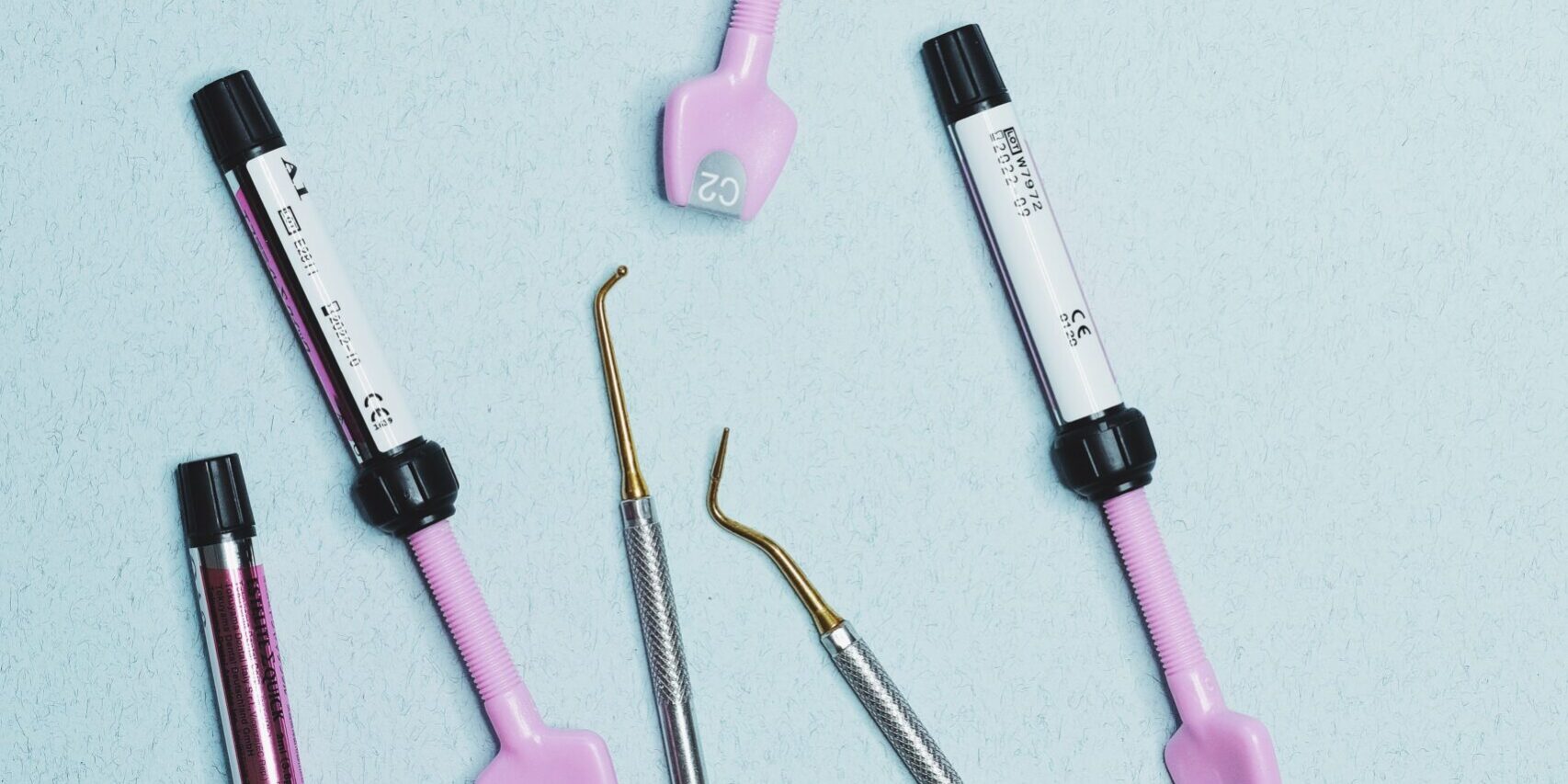
Tooth decay is common, and fillings are one of the most routine ways to save a tooth before a bigger repair is needed. If you have ever wondered how long do fillings last, the honest answer is simple: usually years, not forever, and the lifespan depends on more than the material alone.
How Long Do Fillings Last on Average?
According to CDC oral health data, nearly 90% of U.S. adults ages 20 to 64 have had decay at some point, and adults in that age group average about six filled teeth. So if you have a filling, you are in very normal company.
Here is the short answer: most fillings last about 5 to 15 years. Some fail sooner. Some keep doing their job much longer. A small filling on a front tooth may stay stable for many years, while a large filling on a back molar that takes heavy chewing force may wear out faster.
That lack of a fixed expiration date confuses a lot of people. A filling is not like a battery with a printed end date. It is more like a patch on a high-traffic surface. How long it holds depends on what it is made of, where it sits, how large the repair is, how it was placed, and what kind of daily stress your teeth go through.
What this means in practice is that age matters, but age alone does not decide replacement. A 12-year-old filling that still has a tight seal may stay in place, while a newer filling with a crack or leak may need attention sooner.
If you do not know when an older filling was placed, the move that works is simple: ask about its age and condition at your next exam.
The Short Answer by Filling Type
A 2008 Health Technology Assessment found that amalgam fillings generally lasted longer than composite fillings overall, though some shorter-term reviews found similar survival in certain cases. That sounds technical, but the plain-English version is easy: material does matter, just not as much as people assume.
Different filling materials come with different strengths, appearance tradeoffs, and typical lifespan ranges. Composite resin is tooth-colored and popular for visible areas. Amalgam has a long track record for durability, especially in back teeth. Gold and porcelain can last a very long time but cost more and are used less often. Glass ionomer has useful roles, but it is usually not the long-haul durability winner.
Realistic ranges matter more than rigid promises. A dentist cannot honestly guarantee that a composite filling will last exactly eight years or that an amalgam filling will last exactly fifteen. Your bite, the size of the cavity, moisture control during placement, and daily habits can shift those numbers quite a bit.
Here’s how to use it: before treatment, ask for the expected lifespan of your specific filling in your specific tooth, not just the general type name.
Composite Fillings
Composite fillings are the white, tooth-colored fillings many people picture first. Typical lifespan is often around 5 to 10 years, though some last longer. Newer long-term data is more encouraging than older assumptions suggested.
Research summarized in one recent source reported about 75% survival at 15 years for composite restorations in some settings. That does not mean every white filling will make it that long. It does mean modern composite is not the fragile option some people still imagine.
The catch is technique. Composite is more sensitive than amalgam during placement. The tooth has to stay dry enough, the bonding steps have to be done carefully, and the material has to be shaped and cured properly. If any part of that process is off, the lifespan can shrink.
What this means in practice is that composite can be a durable choice, especially for small to medium restorations and visible teeth, but placement quality matters more here than many people realize.
Silver Amalgam Fillings
Amalgam fillings, often called silver fillings, have historically held the edge for longevity. A common range is 10 to 15 years or longer, especially in back teeth where chewing pressure is highest.
Older reviews consistently found longer average life for amalgam overall, and that pattern shows up again and again in long-term comparisons. Part of the reason is practical: amalgam is less technique-sensitive during placement and handles heavy bite forces well.
That does not automatically make it the best choice for you. Appearance matters. Some people want tooth-colored restorations whenever possible. Others are replacing an old silver filling and need to decide between function, cost, appearance, and the amount of remaining tooth.
The simplest version of this: amalgam has a strong durability record, especially in molars, but treatment decisions should never be based on lifespan alone.
Gold, Porcelain, and Glass Ionomer
Gold fillings and porcelain inlays or onlays can last a long time, often well beyond 10 years, with gold sometimes lasting 15 to 30 years in favorable cases. Porcelain can also perform very well, especially when a tooth needs a more custom, larger restoration.
Glass ionomer is different. It releases fluoride, which can be useful in certain situations, but it is generally less durable than composite, amalgam, gold, or porcelain. It is often used in lower-stress areas, near the gumline, in baby teeth, or where fluoride release is especially helpful.
Here’s how to use it: if you are comparing options, think beyond “white versus silver” and ask how strong the material is for that exact tooth and cavity size.
What Affects How Long a Filling Lasts?
The 2008 HTA did not just compare materials. It also emphasized that filling longevity depends on patient factors, cavity size and location, and the dentist placing the restoration. That is the part many quick articles miss.
A filling fails because of stress, decay, leakage, wear, or fracture, not because an invisible timer runs out. The biggest lifespan drivers are where the filling sits, how big the cavity was, how many tooth surfaces were repaired, how much bite pressure the area absorbs, how carefully the filling was placed, and what kind of habits your teeth deal with every day.
Think of it like repairing a pothole. A tiny patch on a quiet side street and a large patch in the middle of a busy intersection do not age the same way. Teeth work the same way. A small filling in a lower-stress area often has an easier life than a large filling on a grinding, clenching molar.
If you clench or grind, bring it up before choosing a filling material. That one detail can change the best long-term plan.
Tooth Location Matters More Than Most People Think
Back teeth do the hard labor. Molars and premolars absorb stronger chewing forces, so fillings in those teeth face more pressure, more wear, and more opportunity for cracks to develop over time.
That is why the same composite material may do beautifully in a front tooth but have a tougher long-term job in a large back-tooth cavity. Posterior fillings simply live in a harsher environment. More force. More flex. More grinding.
What this means in practice is straightforward: if your filling is in a molar, expect the durability discussion to focus more on strength than if the filling is in a front tooth.
Size of the Filling and Number of Surfaces Repaired
A 2023 retrospective study of extensive composite restorations found 62.0% cumulative success and 74.7% cumulative survival after about 15 years, and it also found that cusp replacement mattered. In premolars, replacing two cusps carried much higher failure risk than replacing one.
You do not need to memorize cusp terminology. The takeaway is easier than the wording. Bigger repairs usually do not last as long as smaller ones. A filling that covers more of the tooth is asking the remaining tooth structure and the material to do more work.
This matters because people often hear “composite lasts 5 to 10 years” and apply that to every case. But a tiny one-surface filling and a large rebuild on a weakened tooth are not remotely the same thing. The second one has a harder job from day one.
Here’s how to use it: if your dentist says the cavity is large or involves multiple surfaces, expect a more careful conversation about lifespan and whether another restoration type might serve you better.
Placement Technique and Dentist Skill
Composite materials perform best when placement is meticulous. That means controlling moisture, cleaning the area thoroughly, applying bonding steps correctly, shaping the filling so your bite lands evenly, and curing the material well enough that it hardens as intended.
That may sound picky, but honestly, this is where repeat work is often prevented. A beautifully chosen material placed poorly can fail early. A well-chosen material placed carefully can last much longer than average.
This is especially relevant if dental visits make you nervous. Gentle dentistry is not just about comfort during the appointment. It is also about doing the work precisely enough that you are less likely to need the same tooth repaired again soon.
The practical move is to value quality over speed when choosing restorative care. Fewer shortcuts usually means fewer do-overs.
Your Habits: Grinding, Diet, Dry Mouth, and Brushing
Daily habits can quietly shorten a filling’s life. Grinding and clenching create repeated heavy pressure. Chewing ice can crack a filling or the tooth around it. Frequent sugary snacking feeds cavity-causing bacteria, which raises the risk of new decay at the edges. Acidic drinks keep teeth under chemical stress. Dry mouth lowers natural protection because saliva helps buffer acids and wash food away.
Smoking can add to the problem, especially when gum health and dry mouth are already issues. Sticky foods are not harmless either. They hang around longer and can pull at weak edges.
The good news is that these are modifiable risks. You do not need perfect habits to help a filling last longer. You just need fewer damaging patterns repeated over and over.
If you wake up with jaw tightness, headaches, or chipped edges on teeth, ask about a night guard this week.
Do White Fillings Last as Long as Silver Fillings?
This is one of the most common questions, and the balanced answer is no, not usually on average, but sometimes close enough that the difference does not decide the whole treatment plan.
Historically, amalgam has lasted longer overall, especially in back teeth. The 2008 HTA reached that conclusion clearly, though it also noted that some shorter-term evidence found comparable survival in certain situations. Newer composite materials and better techniques are narrowing the gap, particularly for carefully selected cases.
What this means in practice is that “silver lasts longer on average” does not automatically mean “silver is best for your tooth.” If the cavity is small, the tooth is visible when you smile, and moisture control is excellent, composite may be a strong long-term option. If the filling is large and the tooth takes heavy bite force, the durability tradeoff deserves a more direct conversation.
Appearance matters too. A filling is not only a mechanical repair. It is part of your smile and your day-to-day confidence.
For a back tooth, ask whether your bite force and cavity size make composite a strong long-term choice in your case.
Signs a Filling May Need to Be Replaced
A filling usually needs replacement because of secondary decay, fracture, marginal breakdown, leakage, dislodgement, or pain. In other words, something changes in the seal, the structure, or the tooth around it.
You might notice sensitivity to cold, pain when biting, food trapping in one spot, a rough edge you can feel with your tongue, visible darkening around the margin, or part of the filling breaking off. Sometimes the warning is subtle. One tooth just starts to feel different when you chew.
Age alone is not enough reason to replace a filling. Old fillings are not removed just because a calendar says so. They are replaced when there is damage, decay, a poor seal, or a better restoration is needed because too much tooth structure is missing.
If a tooth suddenly feels different when you chew, book an exam instead of waiting for stronger pain.
Common Reasons Fillings Fail
One common reason is secondary decay, which is just a new cavity forming around the edge of an old filling. The material may still be there, but bacteria have found a vulnerable margin.
Another is fracture. Sometimes the filling cracks. Sometimes the tooth cracks. Either way, the repair loses strength and can start causing pain or trapping food.
Leakage and marginal failure are a little less obvious. Tiny gaps can develop where the filling meets the tooth. From the outside, everything may look fine. Underneath, bacteria and decay can start working into that seam. That is why an old filling can seem okay until an X-ray or exam says otherwise.
When a Crown May Make More Sense Than Another Filling
There comes a point where a tooth has lost too much structure for another filling to be the strongest long-term choice. If a large filling has failed more than once, or if too much of the tooth is missing, replacing it with another filling may just set up the next repair cycle.
A crown covers and protects more of the tooth. That can make better sense when a filling has become more like a rebuild than a simple patch. The goal is not bigger treatment for its own sake. The goal is a repair that actually fits the job.
How to Make Your Fillings Last Longer
Guideline-based advice is not glamorous, but it works. Brush with fluoride toothpaste, clean between your teeth daily, keep regular exams, reduce constant sugar exposure, and protect your teeth from grinding.
That may sound basic, but many fillings fail because new decay starts around the margins, not because the material simply wears out on schedule. Prevention protects the tooth-filling seal, which is what really keeps the restoration stable.
A CareCredit dental guide also points to brushing, flossing, and routine visits as the habits most tied to filling longevity. What this means in practice is that maintenance beats replacement whenever possible.
This week, switch one daily snack or drink habit that keeps sugar or acid in contact with your teeth for long stretches.
The Home-Care Habit That Protects the Edges of a Filling
The edges, or margins, of a filling are where trouble often starts. If plaque sits there repeatedly, the tooth can decay right next to the restoration.
Fluoride toothpaste helps strengthen enamel and lower the risk of those edge cavities. Daily flossing or another form of interdental cleaning helps where brushes cannot reach well. The move that works is consistency, not intensity. Gentle, thorough care every day is more helpful than occasional overcorrection after a sugary weekend.
If you want one habit to take seriously, make it cleaning the margins well enough that bacteria do not get a steady foothold.
Why Regular Checkups Help Fillings Last
Small problems are cheaper, easier, and less stressful to manage than large ones. A tiny crack, a rough edge, or an early area of leakage may be fixable before it turns into a deeper cavity or a broken tooth.
That matters even more if dental anxiety has led to putting visits off in the past. Planned care is usually calmer than emergency care. A filling checked regularly is less likely to surprise you.
Checkups are not about hunting for problems that are not there. They are about catching wear early enough that you keep more of your natural tooth.
How Often Should Fillings Be Checked or Replaced?
Fillings should be checked at regular dental visits, but they are not replaced on a fixed schedule. Some last only a few years. Others remain functional for decades.
This is one place where long-term evidence matters. The 2008 HTA warned that short-term studies of five years or less often overestimate filling longevity. A filling that looks excellent at two or three years has not yet proved it will hold up over ten or fifteen.
That does not mean you should worry about every older filling. It means age should prompt evaluation, not automatic replacement. A filling can feel fine and still need a closer look if there is hidden leakage, wear, or recurrent decay.
If a filling is more than 10 years old, ask for a focused evaluation even if it feels fine.
Common Questions About Filling Lifespan
Can a Filling Last 20 Years?
Yes, some can. Smaller fillings, lower-stress areas, and materials like amalgam or gold sometimes last 20 years or longer. But it is not something you can assume just because a filling has been quiet for a while. Material, placement quality, tooth location, and habits still decide most of the outcome.
Do Fillings Last Forever?
No. Teeth flex, chewing pressure adds up, margins wear down, and new decay can form around old dental work. A filling is a strong repair, not a permanent reset button.
Is It Normal for a New Filling to Feel Sensitive?
Mild short-term sensitivity can happen after a new filling, especially with cold foods or drinks. But persistent pain, a bite that feels too high, or sharp pain when chewing should be checked. Sometimes the issue is a simple bite adjustment.
Are Cosmetic White Fillings Always the Best Choice?
Not always. White fillings look natural and can be very durable, but “best” depends on the tooth, the size of the cavity, and how much bite pressure that area takes. A back molar with heavy force may need a different conversation than a small visible cavity near the front.
What to Do This Week if You Have an Old or Worn Filling
Here is the simplest version of this: fillings usually last years, not forever. Material matters, but size, location, placement quality, and daily habits matter just as much.
If you have an older filling, new sensitivity, food catching in one spot, or a rough edge you can feel with your tongue, do not wait for pain to become the deciding factor. Schedule a checkup this week and ask one direct question: how much life does this filling likely have left? That one conversation can help you avoid a small problem turning into a crown, root canal, or broken tooth later.