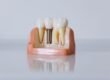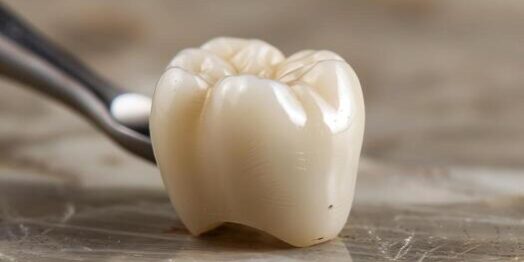
A dental crown cost usually lands somewhere between about $1,000 and $2,200 per tooth in Washington, and that range matters a lot when you’ve just felt that sharp crack-and-zing bite on lunch in Bellingham or while chewing something crunchy in Ferndale. A dental crown is simply a custom cap that covers a damaged tooth so it can hold up, function normally, and stop getting worse. If you’re trying to figure out what you’ll actually pay, what affects the price, and whether a crown is worth it for a cracked tooth, here’s the plain-English version.
Dental Crown Cost in Washington: A Quick Range to Expect
If your tooth hurts when you bite down, a crown is often the fix that keeps a bad situation from becoming an expensive one. For a single crown in Washington, a realistic range is roughly $1,000 to $2,200, though some cases fall below or above that depending on material, lab work, and how damaged the tooth is.
With insurance, your out-of-pocket cost may be a few hundred dollars or closer to $1,000, depending on your deductible, annual maximum, and coverage percentage. Without insurance, you’re usually paying the full fee, and that number can climb fast if the cracked tooth also needs a build-up or root canal.
Typical crown cost range in Washington
Most crown estimates in Washington fall into a middle band of around $1,200 to $1,800 for one tooth. That’s the number many people are really looking for. It’s not a promise, but it’s a useful starting point.
The catch is that “crown” is not one single product. A zirconia crown on a back molar, a porcelain crown on a front tooth, and a same-day crown made in-office can all carry different fees. Offices in and around Bellingham, Ferndale, and Lynden may also vary based on technology, lab choices, and how much is included in the quote.
What that price usually includes
A crown fee often includes the tooth prep, impressions or digital scans, a temporary crown, and placement of the final crown. In many offices, it also includes checking the fit and bite at delivery, plus a follow-up if something feels off.
But not always.
Some offices bill the exam, X-rays, buildup, or numbing separately. That’s why two prices that sound similar at first can turn out very different on paper. A written estimate matters because it shows whether you’re comparing the whole repair or just one part of it.
What Changes the Price of a Dental Crown
Dental crown cost feels confusing because the final number is built from several smaller decisions. Once you know those pieces, the quote makes a lot more sense.
Crown material
Material changes both cost and performance. Porcelain crowns are tooth-colored and often chosen when appearance matters, especially near the front. Zirconia crowns are also tooth-colored but generally known for strength, which is why they’re common on molars that take heavy chewing force.
Porcelain-fused-to-metal crowns have a metal base with porcelain over it. They’ve been around for years and can work well, though the metal edge may sometimes show near the gumline. Full metal crowns, often gold-colored alloys, tend to be very durable but are less popular when the tooth is visible. Same-day crowns can be convenient because the crown is designed and milled in one office visit, but faster does not automatically mean cheaper.
Think of crown materials like tires for a car. You can pick based on looks, durability, price, or how much wear the tooth takes every day. The best option depends on where the tooth sits and what job it needs to do.
Tooth location and how damaged the tooth is
Back teeth usually take more force than front teeth, and cracked molars are a common reason people need crowns in the first place. A deeply cracked back tooth often needs more careful shaping, more support, and a stronger material. That can raise the cost.
A front tooth can be different. Matching color and translucency may matter more there, especially if you smile wide. So even if the tooth is smaller, the aesthetic work can affect the price too.
Damage level matters just as much as location. If there isn’t much healthy tooth left above the gumline, more rebuilding may be needed before the crown can even go on.
Extra treatment before the crown
This is where a straightforward crown can turn into a larger treatment plan. If the crack has weakened the tooth badly, you may need a core build-up, which is filling material used to rebuild the tooth so the crown has something solid to grip.
If the crack has reached the nerve, a root canal may be needed first. If the gum around the tooth is inflamed or if an old crown has decay underneath it, that can add time and cost too. Replacing a failing crown is often more involved than placing a first-time one because old cement, decay, or hidden fracture lines may need to be managed.
For a painful cracked tooth, this is the part that changes everything. Pain on biting can mean the problem is no longer small.
Dentist technology and lab work
Digital scanners, in-house milling machines, and custom outside labs all influence price. Digital scans can make the process more comfortable and often more precise than old-style goo impressions. In-house milling may allow a same-day crown, which is appealing if you want fewer appointments.
Outside labs can also produce excellent custom work, especially for difficult cosmetic cases or complex bites. The lab quality, materials used, and the amount of customization all affect the fee. Better fit and better design can save frustration later, so the lowest quote is not always the best value.
Crown Cost With Insurance, Without Insurance, and Ways to Pay
This is the part most people care about most: what actually leaves your bank account.
What dental insurance usually covers
Many dental plans help cover crowns when the treatment is medically necessary, such as restoring a cracked tooth so you can chew properly. Coverage is often partial, not full. A common structure is that you pay a deductible first, then the plan covers a percentage, often around 50 percent for major services, until you hit your annual maximum.
Waiting periods can also apply. Some plans don’t cover major work right away. And if the crown is being done mainly for appearance, coverage is often more limited. Delta Dental notes that crowns are often covered when needed for restorative reasons, which is a useful baseline, but your specific plan details still decide the real number.
What to expect without insurance
Without insurance, paying cash for a crown in Washington often means the full $1,000 to $2,200 range for the crown itself. If your tooth also needs a root canal or build-up, the total can move much higher.
That sounds like a lot, because it is. But here’s the thing: a cracked tooth rarely gets cheaper with time. A small crack that could have been protected with a crown can turn into nerve pain, infection, or a split tooth that needs extraction and replacement. An implant or bridge usually costs far more than a crown.
Common payment options that can help
Many offices offer financing through third-party lenders, monthly payment plans, or both. HSA and FSA funds can often be used for crowns, which helps if you’ve already set money aside pre-tax. Some offices also offer in-house savings plans for patients without insurance.
The smartest move is simple: ask for a written estimate before treatment starts. You want to know if the quoted price includes the exam, X-rays, build-up, temporary crown, final cementation, and any likely extra steps. That makes it much easier to compare apples to apples.
Dental Crown Types, Alternatives, and What’s Worth Paying For
Cheap and good are not always the same thing, especially with a cracked tooth that hurts when you chew. A crown has one job: protect the tooth so you can keep using it.
Common crown materials and when each makes sense
For back teeth, zirconia is often a strong choice because it handles pressure well and still looks natural. For front teeth, porcelain may offer the nicest blend with nearby teeth. Porcelain-fused-to-metal can be a practical middle ground if appearance matters but the tooth also needs strength. Full metal crowns are durable and sometimes make sense far in the back where nobody sees them.
What’s worth paying for depends on the tooth’s role. If it’s a molar doing heavy chewing, strength matters more than chasing the lowest sticker price. If it’s a front tooth, matching your smile may justify a higher fee. The best crown is the one that fits your bite, protects the tooth, and lasts.
Are there cheaper alternatives to a crown?
Sometimes, yes. A filling may work if the damage is small. An onlay, which covers part of the tooth but not all of it, can be a good middle option in some cases. A veneer is mostly cosmetic and usually not the answer for a cracked chewing tooth. Extraction can be cheaper up front, but replacing the missing tooth is often much more expensive later.
For a cracked tooth, full coverage is often the right call. That’s because cracks spread under pressure, kind of like a chip in a windshield. Ignore it long enough, and the repair usually gets bigger.
Is a crown worth it for a cracked tooth?
Yes, especially if the tooth hurts when you bite. A crown can hold the tooth together, reduce stress on the crack, and help you avoid a worse fracture.
Picture a back molar with a crack that only twinges when biting almonds. Wait a few months, keep chewing on it, and that same tooth can end up needing a root canal or come apart enough that it can’t be saved. A crown is often the line between “repair this tooth” and “replace this tooth.”
What Getting a Crown Is Like and What to Ask Before You Book
If you’ve never had a crown, the process is less mysterious than it sounds.
How many visits it usually takes
Most crowns take two visits. At the first visit, the tooth is examined, numbed, shaped, and scanned or impressed. A temporary crown usually goes on while the final one is being made.
At the second visit, the temporary comes off and the final crown is checked for fit, bite, and comfort before it’s cemented in place. Same-day crowns condense that into one longer appointment, though not every case is a fit for that approach.
Questions to ask about cost before treatment starts
Before booking, ask if the exam and X-rays are included in the estimate. Ask whether a build-up would cost extra, and whether the symptoms suggest a root canal might be needed. Ask what crown material is being recommended and why. Ask if insurance benefits can be checked before the visit.
Those questions are not picky. They’re practical.
How to choose a dentist in Bellingham, Ferndale, or Lynden for a crown
Look for clear estimates, not vague price ranges tossed around on the phone. If your tooth pain is active, emergency availability matters. Experience with cracked teeth matters too, because those cases can change fast.
Convenience counts more than people admit. If your temporary crown pops loose on a Friday afternoon, being able to get back into an office in Bellingham, Ferndale, or Lynden without a long hassle is a real advantage.
Common Questions About Dental Crown Cost in Washington
How much is a dental crown in Washington without insurance?
A realistic range is about $1,000 to $2,200 for one crown. The final price depends mostly on material, tooth location, and whether extra treatment is needed first.
Does insurance cover a crown for a cracked tooth?
Often, yes, if the crown is needed to restore function and protect a damaged tooth. Coverage is usually less generous for treatment done only to improve appearance.
Why does one dentist quote less than another?
Lower quotes can reflect different materials, different lab quality, fewer included services, or a treatment estimate that leaves out likely add-ons like X-rays or a build-up. A cheaper number is only useful if it covers the same work.
How long does a crown last?
Many crowns last 10 to 15 years, and some last longer. Material, grinding habits, bite forces, and home care all affect the lifespan.
Can you wait if the cracked tooth only hurts sometimes?
No. That’s the catch. Occasional pain often means the tooth is already warning you. Waiting can turn a crown case into a root canal, extraction, or replacement case, and that usually costs more and takes longer.
How to Get a Real Estimate Fast
If your tooth cracked and now hurts when you bite, try one thing today: call a local office and describe exactly what’s happening. Mention when the pain started, whether it’s a front tooth or molar, and whether the tooth hurts with pressure, cold, or both.
Then ask for a breakdown of crown-related costs, including the exam, X-rays, build-up, and whether root canal treatment is a possibility. That one phone call can save you a lot of guesswork, and more importantly, it can help you get the tooth treated before the crack gets worse.