If your tooth hurts when you bite down, that usually means pressure is landing on a part of the tooth or surrounding tissue that is irritated, cracked, infected, or out of balance. You might notice it halfway through lunch in Bellingham, one normal bite, then a sharp zing that makes you stop chewing on that side. Here’s the thing: biting pain is not something to brush off, especially when a small crack can turn into a much bigger problem fast.
Why Your Tooth Hurts When You Bite Down
Biting pressure should feel boring. You chew, nothing happens, and your teeth do their job. When a tooth suddenly starts hurting under pressure, that usually means something is moving or inflamed that should not be.
Sometimes the problem is inside the tooth, like decay getting close to the nerve. Sometimes it is structural, like a crack that opens slightly when you chew. Sometimes it is outside the tooth itself, such as gum irritation or a bite that is off by just a little. That last one surprises people, but a tiny high spot can make one tooth take the hit every single time you close down.
The direct truth is simple: pain when biting down is a warning sign. It does not always mean an emergency, but it does mean something needs attention.
The Most Common Reasons Biting Pressure Hurts
A sore tooth on biting usually comes back to pressure, inflammation, or movement. The cause can vary, but the pattern is often similar: chewing pushes on a weak, irritated, or infected area, and your body responds with pain.
A Cracked Tooth
A cracked tooth is one of the most common reasons biting hurts, especially if the pain seems sudden or oddly specific. Think of it like a hairline crack in a windshield. The glass can look mostly fine, but pressure exposes the weakness.
A tooth crack works the same way. Even a tiny split can let the tooth flex a little when you bite, and that movement can irritate the inner layer of the tooth or the ligament around the root. That is why cracked teeth often hurt during chewing, even when the tooth looks normal in the mirror.
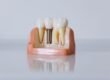
This is also why dental crowns come up so often in treatment. A crown covers the tooth like a fitted helmet, helping hold it together and reducing that painful flexing.
A Cavity or Deep Decay
A cavity does not always hurt right away. But once decay gets deeper and closer to the pulp, meaning the soft center of the tooth where the nerve and blood supply live, chewing can become uncomfortable or sharply painful.
At that point, pressure is not just hitting enamel. It is reaching a part of the tooth that is already irritated. Hard foods often make this more obvious, but even softer chewing can start to trigger pain once the decay is advanced enough.
A High Filling, Crown, or Uneven Bite
If a filling or crown sits even a little too high, that tooth can get hit first every time you bite. It is like having one table leg that is just slightly longer than the others. The whole thing feels off fast.
This kind of pain usually shows up soon after dental work, but not always. Bite alignment can shift over time, and clenching can make one area feel more tender. When one tooth takes more force than it should, soreness builds quickly.
A Dental Abscess or Infection
An abscess is an infection, often near the root of a tooth. This kind of problem can cause throbbing pain, pressure when chewing, swelling, a bad taste in your mouth, or sensitivity to heat.
This is a more urgent situation. Infection creates pressure in a closed space, and biting adds even more pressure to an already painful area. According to the American Association of Endodontists, pain to biting can be one sign of deeper tooth problems involving the nerve or surrounding tissues.
Gum Problems, Recession, or Root Exposure
Not all biting pain starts inside the tooth. Sore gums, gum disease, or exposed root surfaces can make pressure feel tender or sharp, especially near the gumline.
If the root is exposed, that area has less protection than enamel. The tooth can feel sensitive, and inflamed gum tissue nearby can make chewing feel surprisingly uncomfortable. In those cases, the pain may seem like it is coming from the tooth, even though the surrounding gum is doing a lot of the complaining.
What the Type of Pain Can Tell You
Pain patterns can offer clues. Not a diagnosis, but clues. The timing, intensity, and exact moment the pain hits can help narrow down what is going on.
Sharp Pain When You Release the Bite
This is a big one. If the tooth hurts most when you let go after biting, a cracked tooth jumps higher on the list.
Why? Because the tooth can flex under pressure and then snap back when the pressure is released. That rebound can irritate the crack line or the inner tooth structure and trigger a quick, sharp pain. It is one of the more telling symptoms dentists listen for when checking for a crack.
Dull Soreness or Pressure When Chewing
A dull ache or lingering soreness often points to inflammation rather than a dramatic crack. The ligament around the tooth root can get bruised from clenching, grinding, or a bite that is off. That tissue acts like a tiny shock absorber, and when it gets irritated, chewing can make the tooth feel tender and tired.
This kind of pain can also happen after biting something unexpectedly hard, like an olive pit or popcorn kernel. Sometimes the tooth itself is fine, but the support structure around it is sore.
Throbbing Pain, Swelling, or Heat Sensitivity
Throbbing pain changes the picture. Add swelling, warmth, a bad taste, or pain with hot drinks, and deeper nerve irritation or infection becomes more likely.
A mild twinge is one thing. Swelling in the gum or face is another. That deserves prompt dental care because infection tends to get worse, not better, when left alone.
Problems That Aren’t Always a Crack, but Can Feel Similar
Here’s where it gets tricky. Not every biting pain means a cracked tooth, even though the symptoms can overlap.
Teeth Grinding and Clenching
Grinding at night or clenching during the day can leave a tooth feeling bruised, especially in the morning. You wake up, bite down, and one area just feels off.
Too much pressure over time can inflame the ligament around the tooth and can also make tiny cracks worse. So grinding may be the whole problem, or it may be the thing pushing a weak tooth over the edge.
Sinus Pressure in Upper Back Teeth
Sinus congestion can create pressure that feels a lot like tooth pain, especially in the upper molars. That happens because the roots of those teeth sit close to the sinus area.
The usual giveaway is that several upper back teeth feel sore at once, rather than one exact tooth hurting with one exact bite. If you have a stuffy nose, facial pressure, or recent cold symptoms, sinus pressure may be part of the story.
Food Stuck Between Teeth or Gum Irritation
Sometimes the cause is simple. A popcorn hull, seed, or piece of food wedged between teeth can inflame the gum and make biting feel weirdly painful.
That said, simple does not mean ignore it. If the pain sticks around after flossing gently and rinsing, something deeper may be going on.
How a Dentist Finds the Real Cause
A dental visit for biting pain is usually pretty straightforward. The goal is to figure out exactly when the pain happens, what triggers it, and whether the problem is coming from the tooth, the root, the gum, or your bite.
Questions, Bite Checks, and X-Rays
You can expect questions about when the pain started, whether it hurts on pressure or release, and whether heat, cold, or sweets bother the tooth too. Then the tooth may be tapped, the bite checked, and X-rays taken.
X-rays help spot decay, infection, bone loss, or issues under old dental work. The catch is that cracks do not always show clearly on X-rays. That is why symptom patterns matter so much.
Special Tests for a Cracked Tooth
If a crack is suspected, the tooth may be tested one cusp at a time by having you bite on a small tool. That helps pinpoint whether one part of the tooth is flexing and causing pain. Light, magnification, and close inspection around old fillings can help too.
This kind of exam matters because treatment for a cracked tooth often depends on how far the crack extends. If the tooth can still be stabilized, a crown is often the move that protects it before the damage spreads.
How Tooth Pain When Biting Down Is Treated
Treatment depends on the cause. That sounds obvious, but it matters because the right fix for one problem can be completely wrong for another.
When a Dental Crown Is the Fix
A dental crown is often the best fix for a cracked or weakened tooth that can still be saved. The crown covers the visible part of the tooth and helps hold it together, so the tooth stops flexing every time you chew.
That is a big deal. If the pain is coming from movement in the tooth, reducing that movement can bring real relief and help prevent the crack from getting worse. Crowns are also commonly used when a tooth has a large old filling or a weakened structure that needs more support.
Other Possible Treatments
If the problem is a cavity, treatment may be a filling or replacement of an old filling. If the bite is high, a small bite adjustment may solve the issue quickly. If the nerve inside the tooth is inflamed or infected, root canal treatment may be needed to remove the damaged tissue and save the tooth.
Gum-related pain may call for deep cleaning or treatment for gum disease. And if a tooth is too badly cracked or infected to save, extraction may be the safest option. Not the outcome anybody wants, but sometimes it is the right call.
When You Should Book a Dental Visit Soon
If your tooth keeps hurting when you bite down, book the visit. Repeated pressure pain is not normal, and waiting can turn a fixable problem into a bigger one.
This matters even more if you live around Bellingham, Ferndale, or Lynden and have been putting it off because the pain comes and goes. Cracks especially like to play that game.
Signs You Shouldn’t Wait
Some symptoms deserve quicker attention. Watch for:
- Swelling in the gum or face
- Severe or worsening pain
- Fever
- Pain that wakes you up
- A broken or visibly cracked tooth
- Trouble chewing on one side
- Bad taste or drainage near the tooth
- Strong heat sensitivity
Those signs can point to infection, a significant crack, or deeper nerve involvement.
What You Can Do Until Your Appointment
Until your appointment, chew on the other side and skip hard, crunchy, or sticky foods. Very hot or very cold foods can stir things up too, so keep meals simple for a day or two. A warm salt water rinse can help calm irritated gums, and gentle flossing can remove trapped food if that is part of the problem.
Do not try to glue a tooth, file anything down, or test the sore spot over and over to see if it still hurts. That usually makes things worse.
The Simple Rule to Remember
If one tooth hurts when you bite down, pressure is revealing a problem that needs attention. Sometimes it is a minor bite adjustment. Sometimes it is a crack that needs a crown before the tooth splits further.
The trick is not guessing too long. Get the tooth checked while the problem is still small enough to fix cleanly, and if chewing on one side has become your new habit, make that appointment now.