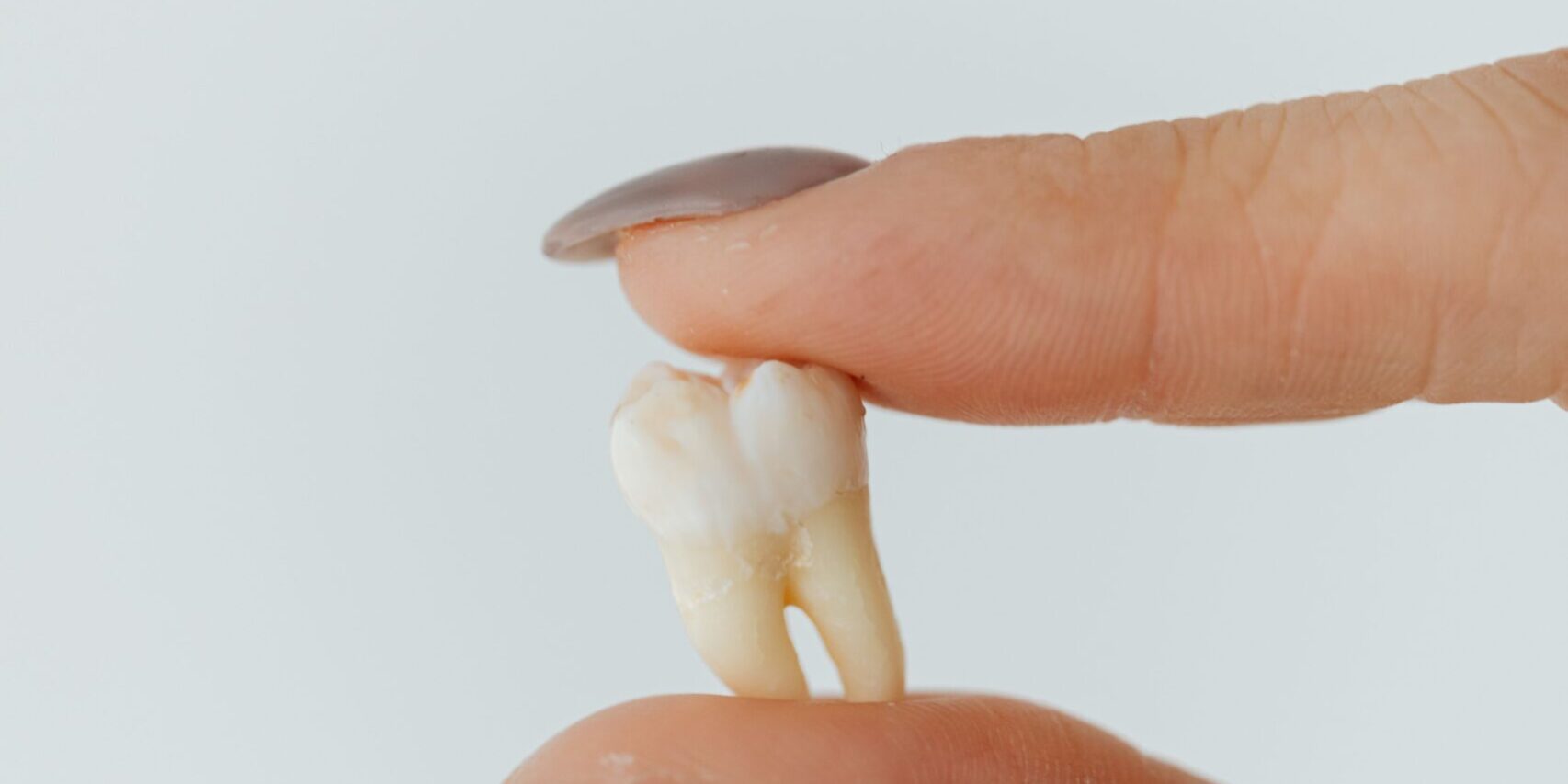
According to Cigna’s dental cost guide, the price and complexity of a tooth removal can vary a lot depending on one thing: how easy the tooth is to reach. That is the heart of simple vs surgical extraction, and once you understand that difference, the rest makes much more sense, including the steps, the recovery, the sedation options, and the cost.
Quick Overview: Simple Extraction vs Surgical Extraction
A simple extraction removes a tooth that is fully visible above the gumline and easy to grasp. A surgical extraction removes a tooth that is hidden, broken, impacted, or otherwise difficult to access. Same goal, very different path.
What this means in practice is pretty straightforward. If your tooth is already erupted and your dentist can loosen it and lift it out without cutting the gum, you are usually looking at a simple extraction. If access is blocked by gum tissue, bone, a broken crown, or a tricky root shape, you are more likely to need a surgical extraction.
That difference affects almost everything else. Simple extractions are usually faster, less invasive, and less expensive. Surgical extractions often need more planning, may involve sedation beyond local anesthetic, and usually come with more swelling and a longer recovery. An exam and X-rays decide which route gives your tooth the safest way out.
What Makes a Tooth “Simple” or “Surgical”?
A 2021 Sebha University study of 509 extraction cases found that technique choice depended on tooth position, tooth type, and root shape. Here’s how to use that: the label is not about how bad your tooth feels, it is about how accessible your tooth is.
If the whole tooth is visible above the gums, the crown is intact enough to grab, and the roots look fairly straightforward, removal is often simple. If the tooth is broken at the gumline, stuck under the gum, partly trapped in bone, or shaped in a way that makes removal harder, the procedure shifts toward surgical.
Infection can also change the plan. A badly infected tooth may become more fragile, and surrounding tissue may be swollen or damaged. Bone support matters too. A loose tooth from gum disease may actually be easier to remove than a healthier tooth with long, curved roots that is still firmly anchored.
The move that works is not picking the simpler-sounding option. It is letting your exam determine the least traumatic approach.
When a Simple Extraction Is Usually Recommended
A fully erupted tooth with enough structure to grasp is the classic simple extraction case. According to News-Medical’s overview, simple extraction is used for teeth that are visible and easily accessible.
Common examples include a loose adult tooth, a severely decayed tooth that is still visible above the gums, or a tooth being removed to create space for orthodontic treatment. In some cases, an advanced gum disease tooth is actually simple to remove because it has already lost support.
What this means in practice: if you can clearly see the tooth and it has not broken below the gumline, simple extraction is more likely, though X-rays still matter.
When a Surgical Extraction Is Usually Recommended
A surgical extraction is usually recommended when access is the problem. That includes impacted wisdom teeth, teeth fractured below the gumline, roots left behind after a break, and teeth trapped beneath gum tissue or bone.
Complex roots can push a case into the surgical category too. Curved roots, multiple roots, fused roots, or a tooth attached firmly to bone can make a forceps-only removal unsafe or unrealistic. The same goes for teeth close to nerves or the sinus, where precision matters more than speed.
The simplest version of this is easy to remember: if your tooth has no clear path out, surgical extraction creates one.
Exam and X-Rays: How Your Dentist Decides
A 2024 clinical guidance review from Chesapeake Dental Specialists notes that an exam and X-rays are the recommended way to decide between simple and surgical extraction. Here’s why that matters: what looks obvious in the mirror is not always obvious below the gumline.
During the exam, your dentist checks how much of the tooth is visible, whether it moves, how broken down it is, and whether nearby gums look inflamed or infected. Then the X-ray fills in the part you cannot see. It shows root length, root curves, number of roots, bone around the tooth, impacted position, and how close the tooth sits to nearby nerves or the sinus.
For simple cases, standard dental X-rays are often enough. For more complicated cases, especially wisdom teeth or teeth near major anatomy, extra imaging may be recommended to map out the safest approach.
What this means in practice: if your dentist says a tooth “might be surgical,” that is not guesswork. It usually means the image shows a harder path that needs more planning.
Procedure Steps: What Happens During Each Type of Extraction
A 2023 oral surgery practice guide explains that both procedures begin with numbing the area, but the steps diverge once access becomes an issue. That difference is what changes the feel of the appointment.
Simple extraction usually means loosening the tooth and removing it in one piece. Surgical extraction may require opening the gum, removing a little bone, or dividing the tooth into smaller sections so it can come out without damaging surrounding tissue.
That sounds dramatic, but honestly, it is often just a more controlled method. The point is not to make the procedure bigger. The point is to make removal safer.
What Happens in a Simple Extraction
With a simple extraction, local anesthesia numbs the tooth and surrounding tissue first. Once the area is numb, the tooth is gently loosened with an elevator and then removed with forceps using controlled pressure.
After the tooth comes out, gauze is placed over the site so you can bite down and help a blood clot form. In many cases, the whole thing takes only a few minutes once numbness has set in.
What this means in practice: simple extraction is usually quicker and less invasive, but you still need to follow aftercare carefully.
What Happens in a Surgical Extraction
With a surgical extraction, local anesthesia is still standard, but the actual removal often needs extra steps. Your dentist or oral surgeon may make a small incision in the gum, reflect the tissue back, remove a limited amount of bone, or section the tooth into smaller pieces before removal.
Stitches may be placed at the end, especially if the gum tissue was lifted. One source notes many surgical extractions take about 30 to 60 minutes, though timing depends on the tooth and how complex the access is.
What this means in practice: “surgical” does not automatically mean extreme. It usually means your tooth needs a more precise path out than forceps alone can provide.
Pain Control and Sedation Options
Cigna notes that local anesthesia is standard for simple extraction and commonly used for surgical extraction too, though more complex cases may add IV or general anesthesia. Here’s how to use that: focus less on the word surgical and more on the comfort plan being offered.
For many simple extractions, numbing medicine is enough. You stay awake, feel pressure, and do not feel sharp pain. For surgical extraction, especially with impacted wisdom teeth or strong dental anxiety, your dentist may recommend nitrous oxide, oral sedation, IV sedation, or deeper anesthesia.
The right choice depends on complexity, anxiety level, medical history, and how long the procedure is expected to take. If you tend to avoid care because of fear, this section matters more than the extraction label itself. A good sedation plan can completely change the experience.
The move that works is choosing the setting and provider that can keep you calm and still perform the procedure safely.
Recovery Time and Healing
A Maryland Dental Specialty Group review reports 24 to 72 hours for the initial healing phase after many simple extractions, while surgical cases more often take several days to one or two weeks for early healing. What this means in practice: your first few days are usually easier after a simple extraction, but neither procedure is “no recovery.”
Your body needs to form and protect a blood clot, close the gum tissue, and start healing bone underneath. That happens after both types. The difference is that surgical extraction usually creates more tissue disruption, so swelling, soreness, and jaw stiffness are more common.
If you have a job that is physically demanding, a surgical extraction may mean planning more downtime. If your case is simple, normal activity often returns faster, though hard workouts should still wait until bleeding is controlled and your dentist clears you.
Simple Extraction Recovery
Simple extraction recovery is often pretty manageable. Mild soreness, slight oozing, and a little swelling are common in the first day or two. Soft foods help, and many people are back to normal routines within one to three days.
That said, straightforward does not mean careless. Protecting the clot still matters. If you want a better sense of foods that are easiest on the site, this guide to gentle meals after removal can help you avoid irritating the area.
What this means in practice: expect a quicker recovery, but treat the site like a healing wound, not like nothing happened.
Surgical Extraction Recovery
Surgical extraction recovery usually asks more from you. Swelling can peak around the second or third day. Jaw stiffness, tenderness, bruising, and stitches are more common. Early healing often takes five to seven days, and full tissue and bone healing can continue for weeks beneath the surface.
The catch is that discomfort does not always mean something is wrong. A more involved procedure simply creates more inflammation. But pain that worsens instead of improving deserves attention, especially if it comes with bad taste, fever, or increasing swelling.
What this means in practice: build in extra rest, stay ahead of pain medication as directed, and do not rush back into normal eating or exercise too fast.
Risks and Complications: How the Two Compare
A News-Medical review explains that both simple and surgical extractions can lead to issues such as bleeding, infection, delayed healing, and dry socket. Here’s how to use that: take aftercare seriously no matter how easy the extraction seemed.
Surgical cases carry added complexity because there may be an incision, bone removal, stitches, or a tooth position close to important anatomy. That can raise the chance of swelling, bruising, or a longer healing timeline. But a properly planned surgical extraction is often safer than forcing a simple extraction on a tooth that is not a simple case.
Call the dental office if bleeding does not slow, pain worsens after the first couple of days, swelling keeps increasing, you develop a fever, or you notice foul odor or discharge. If you are worried about clot loss or lingering pain, it helps to know the difference between normal soreness and warning signs after extraction.
The practical takeaway is simple: the real risk is not just the procedure. It is ignoring symptoms that tell you healing is off track.
Aftercare: What Helps You Heal Well After Either Procedure
A 2024 Maryland Dental Specialty Group aftercare guide recommends resting the first day, avoiding smoking or vaping, skipping straws, eating soft foods, staying hydrated, and keeping oral hygiene gentle. What this means in practice: recovery depends less on toughness and more on protecting the clot.
For either type of extraction, pressure on the gauze helps stop bleeding early. Medications work best when taken exactly as directed, not only after pain gets strong. Saltwater rinses usually begin after the first day, once the clot is more stable.
This is also where small habits matter. Sucking through a straw, spitting forcefully, or smoking can dislodge the clot and raise the risk of dry socket. That is one of the most common preventable setbacks.
The Most Important First-Day Rules
The first 24 hours are all about clot protection. Bite on gauze as directed, rest, keep food soft and cool, and avoid anything that creates suction or vigorous rinsing.
If you want one rule to remember, use this: do nothing that could pull the clot loose. That single habit lowers a lot of problems.
When You Can Get Back to Normal Eating and Brushing
Most people resume gentle brushing right away, just not directly scrubbing the extraction site. Eating returns in stages. After a simple extraction, you may move back toward normal foods fairly quickly if chewing is comfortable. After a surgical extraction, softer foods usually last longer because the area is more tender.
If you are unsure how long recovery usually lasts, this overview of healing timelines after removal gives a clearer picture of what feels normal and when.
The practical takeaway: keep the mouth clean, but be gentle near the site until tenderness and clot stability improve.
Cost and Insurance: Simple vs Surgical Extraction Pricing
Cigna’s 2024 dental cost information says a simple extraction ranges around $70 to $250 per tooth, while surgical extraction ranges around $180 to $550 per tooth. Chesapeake Dental Specialists places the ranges slightly higher in some offices, around $100 to $300 for simple and $250 to $600 for surgical. What this means in practice: surgical extraction usually costs more because it takes more time, planning, and technical work.
Sedation can raise the total. So can specialist care, extra imaging, and the number of teeth being removed. Wisdom teeth are a category of their own, especially if impacted.
Typical Price Ranges
For a standard visible tooth, simple extraction often falls around $70 to $300 per tooth depending on location and coverage. Surgical extraction often falls around $180 to $600 or more per tooth. Impacted wisdom tooth removal can run higher, sometimes reaching $800 per tooth.
Those are broad ranges, not quotes. They are useful for comparison, but not for budgeting down to the dollar.
What Can Change Your Final Cost
Insurance status changes a lot. So does staying in-network. Your total can also shift based on how many teeth are being removed, what kind of anesthesia you need, whether an oral surgeon is involved, and how much bone or tissue work is required.
What this means in practice: the best price question is not “What does an extraction cost?” It is “What does my extraction cost after imaging, sedation, and insurance?” For a closer look, this breakdown of what changes the final bill is worth reading.
Dentist vs Oral Surgeon: Who Usually Performs Each?
A DFWOMS provider overview explains that general dentists typically handle routine erupted teeth, while oral surgeons complete an additional 4 to 6 years of surgical residency after dental school for more complex cases. Here’s how to use that: choose based on case difficulty and comfort needs, not pride.
Many general dentists perform simple extractions every week and some also perform selected surgical extractions. But oral surgeons are more commonly recommended for impacted teeth, advanced sedation, teeth near nerves or sinuses, and medically complicated cases.
If you have high anxiety, a history of difficult numbing, or a medical condition that makes surgery more complex, specialist care may be the smoother route. The extra training and sedation options can matter just as much as the extraction itself.
When to Choose Simple Extraction vs Surgical Extraction
This is one of those decisions that sounds like a preference, but really is not. The right option is the one that removes your tooth with the least trauma and the best chance of smooth healing.
If a tooth is truly accessible, simple extraction is often better because it is faster, easier to recover from, and usually less expensive. But if access is poor, pushing for simple extraction can actually make things harder on your tissues and increase complications.
Choose a Simple Extraction When the Tooth Is Fully Accessible
A visible, loosened, or badly decayed tooth above the gumline may be a good candidate for simple removal if the roots and surrounding bone look straightforward on X-ray. That often means a shorter appointment, lower cost, and easier first few days after treatment.
What this means in practice: if your dentist says the tooth is fully erupted and easy to grasp, simple extraction is usually the better path.
Choose a Surgical Extraction When Access Is the Problem
An impacted tooth, a tooth broken below the gums, or a tooth with difficult roots usually needs surgical treatment. The extra steps are there to create control, protect nearby structures, and reduce the risk of forcing the tooth out the wrong way.
What this means in practice: surgical extraction is not the more dramatic option. It is the safer option when the tooth cannot come out cleanly any other way.
Simple vs Surgical Extraction for Common Real-Life Scenarios
A broken tooth can go either way. If enough of the crown remains above the gumline, removal may still be simple. If the fracture runs below the gum, surgical access is much more likely.
An infected tooth can also go either way. Infection alone does not make an extraction surgical. But severe infection can weaken the tooth, affect surrounding bone, or make access harder. Wisdom teeth lean heavily surgical, especially if they are impacted or only partly erupted.
Teeth removed before dentures or implants depend on condition and position. Loose, visible teeth are often simple. Teeth with long roots, fractures, or retained root tips may not be. Orthodontic extractions are often simple if the teeth are erupted and healthy enough to grasp.
The key point is that the same reason for extraction does not always lead to the same technique. Access still decides the approach.
Which Is Better for You? The Clear Verdict
Neither option is better in every case. Simple extraction is better when your tooth is visible and easy to remove. Surgical extraction is better, and usually safer, when your tooth is hidden, broken, impacted, or complicated by root shape or bone coverage.
Once you know that, the decision gets a lot less confusing. If you have pain, swelling, a broken tooth, or a tooth that has already been recommended for removal, the clearest next step is to book an exam and X-rays this week. That single visit tells you which type of extraction fits your tooth, what recovery is likely to look like, and how to move forward before the problem gets worse.
Frequently Asked Questions
Is a surgical extraction always more painful than a simple extraction?
Not during the procedure if your anesthesia and sedation are done well. Surgical extraction usually leads to more soreness and swelling afterward because more tissue may be involved, but the procedure itself should still be managed for comfort.
Can a simple extraction turn into a surgical extraction?
Yes. If a tooth breaks during removal, roots are harder to access than expected, or the X-ray findings match a more complicated reality once treatment starts, extra surgical steps may be needed.
Are wisdom teeth always surgical extractions?
Not always, but many are. If a wisdom tooth is impacted, partly erupted, or difficult to reach, surgical extraction is much more likely. A fully erupted wisdom tooth can sometimes be removed simply.
How long should you take off work after an extraction?
After a simple extraction, many people return to normal activity within one to three days. After a surgical extraction, several days of lighter activity are more common, especially if swelling, stitches, or sedation are involved.
Does needing a surgical extraction mean something is seriously wrong?
No. It usually means the tooth is harder to reach, not that your situation is dangerous or unusual. Impacted teeth, broken teeth at the gumline, and curved roots are common reasons for surgical removal.
Can a general dentist do a surgical extraction?
Yes, in some cases. Many general dentists perform certain surgical extractions. More complex cases, impacted teeth, advanced sedation needs, or medically complicated situations are more often referred to an oral surgeon.