A tooth extraction socket usually heals in 1 to 2 weeks, but the first few days do most of the heavy lifting. If you are wondering what to eat after tooth extraction, the short answer is simple: choose foods that protect the blood clot, avoid irritation, and make it easier to stay fed and hydrated while your mouth settles down.
1. Start With Cool, Soft Foods in the First 24 Hours
Harvard School of Dental Medicine advises cool, soft foods on the day of surgery, including yogurt, pudding, eggs, and soft pasta. What this means in practice is that texture matters more than variety right away. Your mouth is sore, the area is numb or tender, and the goal is not to challenge it.
Cool and smooth foods usually feel better because they do not require much chewing and do not bring extra heat to an already irritated area. Yogurt, pudding, applesauce, spoon-thick smoothies, and even ice cream can work well if they feel comfortable.
Why this works right away
Less chewing means less pressure on the socket. Less heat means less irritation to the blood clot that is sealing the area and helping healing begin.
That clot is the whole game early on. Disturb it, and pain often gets worse.
Best first-day examples
The easiest first-day foods are the ones you can eat slowly with a spoon and barely chew at all. Yogurt cups, applesauce pouches emptied into a bowl, pudding, cottage cheese, mashed avocado, and a smoothie eaten with a spoon are all easy wins. If you want something a little more filling, scrambled eggs usually land well once the numbness fades enough to eat safely.
2. Choose Protein-Rich Soft Foods to Support Healing
Harvard’s post-surgical guidance includes protein foods like eggs, fish, chicken, yogurt, and smoothies as part of a soft diet. Here’s how to use it: make sure each meal includes at least one soft protein, because healing tissue needs raw material.
If you only eat pudding and mashed potatoes for two days, you may stay full for an hour, then feel tired and hungry again. Protein helps you avoid that crash while supporting repair.
Easy protein picks that do not require much chewing
Scrambled eggs, Greek yogurt, cottage cheese, silken tofu, blended beans, soft flaky fish, and very tender shredded chicken mixed into something moist are usually easier than firmer meats. The move that works is choosing foods that are soft all the way through, not just cut into small pieces.
The move that works
Add one protein food to every meal for the first few days. A yogurt at breakfast, eggs at lunch, and soft fish or beans at dinner is the simplest version of this.
3. Use Smooth Carbs for Energy When Chewing Feels Hard
Harvard’s oral surgery instructions say that eating enough food and drinking enough water are among the most helpful things for recovery. That matters because appetite often drops after an extraction. Pain, swelling, numbness, and medication can make regular meals sound unappealing.
Soft carbohydrates help because they are easy to tolerate and easy to turn into real meals. Mashed potatoes, cream of wheat, soft noodles, well-cooked rice, oatmeal once tolerated, and macaroni all give you energy without much chewing.
Good options for breakfast, lunch, or dinner
Breakfast can be cream of wheat, oatmeal that has cooled a bit, or soft scrambled eggs with a little toast only once you are further along. Lunch is often easiest as mashed potatoes, soft pasta, or lukewarm soup with noodles. Dinner can be macaroni and cheese, rice with very soft fish, or a bowl of buttered noodles if that is all your mouth wants.
Simple food is not lazy here. It is smart.
4. Add Soft Fruits and Vegetables Without the Seeds, Skins, or Crunch
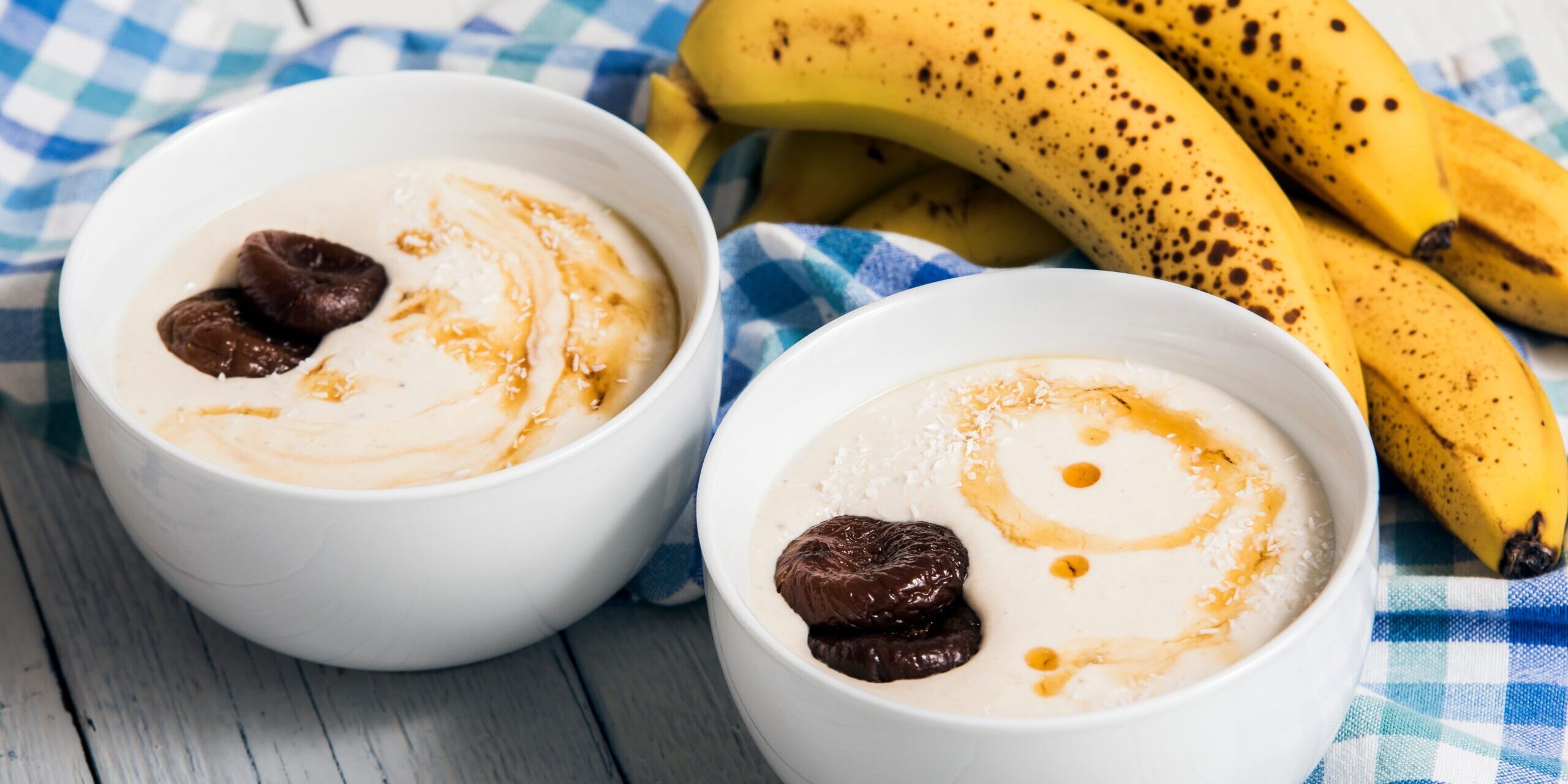
MedlinePlus recommends soft foods like avocado and bananas after extraction, which is a helpful reminder that produce is still very much on the menu. You just need softer versions.
Bananas, avocado, applesauce, mashed sweet potatoes, pureed squash, and very soft cooked carrots give you vitamins and fiber without scraping the area. A 2024 clinical trial in 56 healthy people also found that oral vitamin C was linked with better early recovery after impacted wisdom tooth surgery, especially lower pain and swelling on day 2, which makes soft vitamin C-rich choices worth considering when tolerated.
What to avoid in produce early on
The catch is that “healthy” does not always mean “healing-friendly.” Berries with seeds, raw salads, crunchy carrots, apple peels, citrus that stings, and spicy salsa can all irritate the site or leave debris behind. Keep produce smooth, mashed, blended, or very well cooked for the first several days.
If discomfort gets worse around day 3 or 4 instead of better, it helps to know what pain patterns can signal a problem.
5. Pick Lukewarm Soups and Blended Meals Instead of Hot Foods
Harvard specifically says to avoid hot foods and drinks on the day of surgery. Here’s where it gets interesting: many people hear “eat soup” and then accidentally make recovery harder by eating it too hot.
Temperature matters almost as much as texture. Broth, pureed vegetable soup, blended lentil soup, and smooth tomato-free soups can be good choices once they are cooled to lukewarm. If a food feels steaming hot to your lips, it is too hot for the socket.
Temperature matters more than most people think
Cool or lukewarm is the safest bet early on. That one adjustment often makes the same food go from irritating to easy.
6. Drink Plenty of Fluids, but Skip Straws
The Veterans Health Library recommends soft foods and plenty of liquids after extraction, and MedlinePlus warns against drinking from a straw for at least 24 hours because suction can disturb the clot. What this means in practice is simple: hydration helps, suction hurts.
Water is the default best option. Milk can be fine if it sits well with your stomach. Electrolyte drinks can help if you are not eating much. Smoothies also work, but use a cup or spoon, not a straw.
What this means in practice
Keep water next to you and take small sips all day instead of trying to catch up later. That steady habit is easier on a sore mouth and easier on your stomach if you are taking pain medicine.
Drinks to avoid for now
Skip alcohol, very hot coffee or tea, and anything that pushes you to sip through suction. Carbonated drinks are also worth avoiding if the fizz feels irritating.
7. Reintroduce More Solid Foods Gradually Over Days 3 to 7
MedlinePlus says the socket usually heals in 1 to 2 weeks, but that does not mean you need a liquid diet for all 14 days. The move that works is a gradual return based on comfort, not impatience.
During the first 24 to 48 hours, stay with very soft foods. From days 3 to 7, most people can widen the menu to soft pasta, tender fish, soft rice, cooked vegetables, and eggs. Around week 2, more normal chewing may feel fine if pain and swelling are settling down.
A simple food timeline
Think of it in stages, not strict rules. First comes cool and spoon-soft. Then comes soft and lightly chewable. After that comes a normal diet, but only when the area feels calm.
Signs you are ready to advance texture
Less pain, no fresh bleeding, easier chewing, and less swelling are better guides than the calendar alone. If a food makes you wince, stop and step back.
8. Avoid Crunchy, Sharp, Sticky, and Crumbly Foods That Can Disrupt the Socket
Harvard advises avoiding crunchy foods for the first 3 days and sharp-edged foods like chips, crackers, and toast for 4 to 5 days. MedlinePlus goes even broader and says to avoid hard and crunchy foods for a week.
That advice exists for a reason. Chips can scrape the area, popcorn and nuts can leave bits behind, sticky candy can tug where you do not want tugging, and dry toast or crackers can break into irritating crumbs.
Common “healthy” foods that are still a bad idea early on
Granola, seeded bread, raw vegetables, trail mix, peanut butter with chunks, and crunchy apples may sound wholesome, but early after an extraction they are just too rough. Save the nutrition points for later. Right now, gentleness wins.
9. Don’t Assume You Have to Avoid Dairy
A literature review on dentoalveolar surgery found no evidence supporting a routine ban on milk or dairy after oral surgery. That is useful because dairy myths are surprisingly persistent.
If yogurt, cottage cheese, milk, or ice cream feel comfortable, and your dentist did not give a specific restriction, those foods are usually fine. In fact, they are often some of the easiest soft foods to tolerate.
When dairy may still not feel great
Dairy can still be a no for personal reasons. Nausea, a heavy mucus sensation, lactose intolerance, or an upset stomach can make it unappealing. That is a comfort issue, not a healing rule.
10. Match Your Food Choices to Your Specific Procedure and Symptoms
Post-op instructions always outrank a generic article. A simple extraction, impacted wisdom tooth removal, multiple extractions, bone grafting, and implant-related surgery do not all heal the same way.
If your procedure was more involved, you may need a longer soft-food window and a slower return to chewing. Ongoing tenderness, stitches, swelling, and jaw stiffness all matter.
Cases that may need extra caution
Surgical extractions, several teeth removed at once, continued bleeding, or significant swelling usually call for a more cautious approach. In those situations, even “soft” foods may need to be blended, cut smaller, or eaten on the opposite side.
The simplest version of this
If your dentist’s instructions differ from any online list, follow your dentist’s instructions. The same is true when planning for recovery questions beyond food, including understanding what can affect the final bill after a more complex procedure.
11. Watch for Signs That Eating Problems Mean You Should Call the Dentist
Dry socket pain often shows up around day 3 or 4, not right away, and that timing matters. Some soreness while eating is normal. Pain that gets sharper, deeper, or more constant instead of easing up is not.
Bad taste, bad odor, fever, worsening swelling, trouble swallowing, or not being able to eat or drink enough are all signs that recovery may need a closer look.
Red flags that should not wait
Call if pain is getting worse instead of better, if bleeding restarts and does not slow down, or if eating and drinking feel nearly impossible. The goal is not to tough it out. The goal is to heal cleanly.
12. Plan One Simple Soft-Food Menu Before Your Appointment
A smoother recovery often starts before the extraction, not after. If easy food is already at home, you are much less likely to skip meals, grab something too crunchy, or go too long without fluids.
A realistic day of eating after extraction
Breakfast can be Greek yogurt or scrambled eggs. Lunch can be mashed potatoes with cottage cheese or a lukewarm blended soup. Dinner can be soft pasta, pureed soup, or rice with flaky fish if chewing feels okay. For snacks, applesauce, pudding, avocado, or a smoothie in a cup usually work.
Try this this week
Buy 3 to 5 soft foods before your appointment, or before the numbness wears off if the extraction was unplanned. That one small move makes eating safely much easier when your mouth is sore and your patience is low.
Frequently Asked Questions
Can you eat right after a tooth extraction?
Yes, once bleeding is controlled and numbness has eased enough that you will not bite your cheek or tongue. Start with cool, soft foods and small bites.
How long should you eat soft foods after tooth extraction?
For many extractions, soft foods make the most sense for at least a few days, with gradual progress over about 1 week. Some sockets heal enough for more normal eating in 1 to 2 weeks, but surgical cases can take longer.
Is ice cream okay after a tooth extraction?
Usually, yes. Plain ice cream can be soothing because it is cool and soft. Avoid mix-ins like nuts, cookie chunks, or candy pieces.
Can you drink coffee after a tooth extraction?
Skip hot coffee on the day of surgery. After that, lukewarm coffee may be better tolerated if your dentist has not said otherwise, but avoid anything very hot that irritates the area.
What foods are most likely to cause problems?
Crunchy, sharp, sticky, seeded, and crumbly foods cause the most trouble early on. Chips, popcorn, crackers, toast, nuts, and seeded bread are common offenders.
Is yogurt good after a tooth extraction?
Yes, yogurt is one of the best early choices because it is soft, cool, easy to eat, and gives you some protein at the same time.